What is the Internet? Summary of Information About the Internet
The Internet is a global system that allows all devices within its network to connect with each other, linking countless computers into an expansive network.
Many people consider the Internet a “familiar” term because it encompasses many aspects and fields of life. However, many do not fully understand this simple concept.
Have you truly realized the importance of the Internet in today’s life? Let’s explore what the Internet is together. Read the following article to learn more about the Internet with us.
I. What is the term “Internet”?
Simply put, the Internet is a global system that allows all devices in this network to connect to one another. These devices link countless computers into a vast network. In essence, the Internet functions as an information transmission system using models for connection and data transfer.
This system includes various computers and Internet-enabled devices belonging to individuals and organizations that are closely connected. It also encompasses electronic systems, fiber optic systems, and wireless networks. This global infrastructure enables users to access the Internet from virtually any location.
Life today is deeply rooted in the Internet. Those seeking information can access critical resources and services online.
One of the Internet’s greatest advantages is its massive storage capacity. It provides a vast data storage system for devices linked via hypertext links in a highly integrated manner.
See more products: Buy advertising accounts
Internet Infrastructure
Network infrastructure includes devices that can route, switch, or handle multiple services simultaneously. Establishing, maintaining, and ensuring stable operation of the network is the primary task of this system.
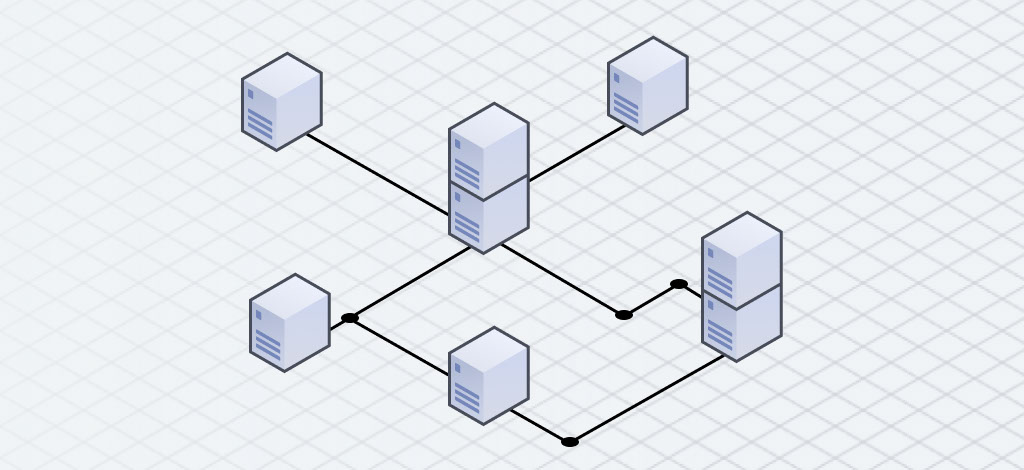
There are various network types: LAN, WAN, and MAN. A solid Internet infrastructure is essential for organizations and businesses looking to leverage the network effectively.
Investing in robust infrastructure is crucial for smooth, fast, high-speed Internet use. Conversely, poorly implemented networks are prone to errors and failures.
Additionally, inefficient networks pose risks and costs to businesses. In general, such shortcomings negatively impact organizations and companies.
II. Methods of Accessing the Internet
There are many ways to access the Internet quickly and efficiently. Each connection method has its own advantages and disadvantages.
Your computer’s connection speed will vary depending on the method used and the specific needs of the user. Below are the methods we’d like to share with you:
1. Dedicated Line Internet Connection
This method connects computers directly to the network provider through a dedicated leased line. These companies offer telecom services to users.
With this method, the Internet connection is always active, allowing users to access it anytime. Users pay a monthly subscription fee regardless of how much data they use.
This means users pay for the subscription, not the data volume, which makes the cost of Internet access higher. Currently, most online service providers use this method.
2. Dial-up Connection via Telephone Network

The second most common method is dial-up via your telephone network. Users need a compatible phone line and a modem to connect.
The process is sequential: the user’s computer connects to the modem, which in turn connects to the telephone line.
Telecommunication service providers also offer this connection method. Upon registration, users receive an account and a dial-up number. This method is now less commonly used.
To access the service, users dial the provider’s phone number and log in with a username and password. The advantages of this method include its low cost, convenience, and ease of installation.
3. Internet Connection via ADSL
Although relatively new, ADSL (Asymmetric Digital Subscriber Line) offers distinct benefits and has quickly become popular. ADSL provides asymmetric Internet access, meaning the download speed is faster than the upload speed.
This suits most Internet usage patterns, where downloading information is more common than uploading.
Users can register for this service on their existing phone lines without needing additional wiring. To use the service, an ADSL modem is required. The modem connects to the user’s computer and then to the registered service line.
ADSL allows for an always-on connection. However, users pay based on the duration of usage instead of a flat subscription. Charges are determined by the amount of data uploaded or downloaded.
III. What Is the Role of the Internet?
There is no denying that the advent of the Internet has continuously changed human life in a more positive direction. The benefits the Internet brings are evident around us every day.
1. Provides a vast source of information
The Internet is likened to an endless treasure trove of knowledge with hundreds of thousands of pieces of information updated every second and minute.
With just a few simple search actions, we can find information on all topics, from books, newspapers, and magazines to online sources such as blogs, specialized websites, instructional videos, and much more. Thanks to the Internet, information search has become easier and faster than ever.
2. Facilitates faster communication
With the development of the Internet, communication has become simpler and more convenient than ever before.
We can send emails, chat via messaging apps, make phone calls, or even hold video calls to connect with family, friends, and business partners anywhere in the world. These outstanding features have shortened distances and enhanced global connectivity among individuals and organizations.
3. Enables easy online shopping
Omitting the benefits of online shopping when discussing the importance of the Internet would be a significant oversight. With its global presence, the Internet allows users to access e-commerce websites for easy online shopping.
Instead of visiting traditional stores, we can now shop from anywhere at any time using Internet-connected devices. By accessing online store websites, users can search, compare prices, place orders, and receive goods at home. Online shopping has become a trend not only because it saves time but also because it offers convenience and a wide variety of options.
4. Connects people worldwide
The Internet has created a platform for connecting people through social networking services like Facebook, Instagram, Twitter, and LinkedIn. Thanks to the Internet, we can easily find friends, build professional networks, and share information, images, and videos with people around the world.
With just a few simple steps, connecting with others has never been easier or more convenient.
5. Creates online income opportunities (MMO – Make Money Online)
It’s not wrong to say the Internet is a “gold mine” offering countless opportunities for users to earn income online. In the Internet environment, we can start online businesses, sell products on websites, social media, or e-commerce platforms, join affiliate marketing programs, or even work remotely as freelancers.
Additionally, platforms like YouTube and Twitch allow users to earn money by creating videos or live streaming to attract viewers. With such a wide range of income-generating channels, the Internet has opened a new world of business opportunities and significant income potential, especially for young people.
IV. Classification of Internet Service Providers
Users cannot access the Internet directly but must go through service providers. Below are some current types of Internet service providers:
1. ISP
An Internet Service Provider, also known as an ISP, is renowned for providing Internet services.
Users are granted access to the Internet as well as services such as email, FTP, websites, Telnet, and chat. You can quickly start using their services after registering.
An ISP is granted access through an IAP. Currently, there are 18 ISPs licensed to provide services nationwide. Major service providers include FPT Corporation, Vietnam Posts and Telecommunications Group (VNPT), and Viettel Group.
2. IAP
Another common Internet access provider is IAP, also known as Internet Access Provider or Internet Exchange Provider (IXP). IAPs provide users with access to vast Internet data storage. In other words, an IAP enables direct Internet connection.
Although an IAP cannot perform all the functions of an ISP, the reverse is possible. IAPs can serve multiple ISPs as a gateway, as mentioned above. There are currently seven IAPs in Vietnam: FPT, Viettel, VNPT, ETC, VTC, SPT, and HANOITELECOM.
3. ICP
An Internet Content Provider (ICP) is responsible for providing information content over the Internet. These providers regularly update and make available information on various topics such as economics, education, military, politics, and sports.
4. OSP
Online Service Providers (OSPs) offer application-based Internet services. These include consulting, online training, e-commerce, banking, and more.
5. ISP dùng riêng
Users can access full Internet services through a private ISP. However, private ISPs do not offer services for commercial purposes.
These service providers cater to educational or research purposes and are typically used by administrative bodies, research institutes, and schools.
Xem thêm sản phẩm: Mua tài khoản quảng cáo
V. Some Common Internet Services Today
The Internet not only offers vast information storage but also provides many useful services for users. Some popular Internet services include:
-
Browsing websites: Allows users to quickly access and view web pages using Internet-connected devices such as computers, phones, or tablets.
-
Quick and efficient information search: With its vast database, the Internet helps users find a wide range of useful information quickly through directories or search engines like Google.
-
Email facilitates easy information exchange: This service is widely used both in businesses and by individuals.
-
Online conferencing: The Internet enables remote online meetings. Participants can join and exchange information easily as long as there is an Internet connection.
-
Entertainment and social connection: The Internet serves as a tool for connection and relaxation through online games, music, social media, and movies.
VI. What Are the Negative Impacts of the Internet?
Everything has two sides, and the Internet is no exception. Despite its many benefits, the Internet also brings about some negative effects on humans. Specifically:
-
Loss of privacy: With the growth of the Internet, our personal information can easily be exposed. Tracking and collecting user data for marketing or selling to third parties has become a major concern—even tech giants like Facebook struggle to manage this. Therefore, protecting your personal information while using the Internet is crucial.
-
Cybersecurity risks: The global nature of the Internet means facing inevitable cybersecurity threats. Hackers can infiltrate systems to steal sensitive information or personal data for personal gain or to harm others. Hence, using antivirus software, secure passwords, and avoiding untrustworthy websites is essential.
-
Addiction and time waste: While the Internet provides entertainment and convenience, it can also become a “double-edged sword” causing users to become addicted and waste time. Spending excessive time on social media, gaming, or watching videos without control can negatively affect concentration and work productivity.
VII. Important Notes When Using the Internet
To use the Internet effectively and safely, it is important to keep in mind the following:
-
Protect personal information: Always be mindful of protecting your personal information online. Use strong passwords, ensure secure (HTTPS) connections, and limit sharing personal details on social media.
-
Use antivirus software: Protect your computer from online threats by using antivirus programs and keeping them regularly updated.
-
Control online time: The Internet can become addictive and a time-waster if not used wisely. Learn to manage your usage time, set boundaries, and prioritize more important tasks.
-
Use secure Wi-Fi: When using public Wi-Fi, avoid accessing sensitive websites or performing financial transactions. Use secured Wi-Fi networks with passwords to reduce the risk of intrusion and data theft.
If you need the most reputable payment method and advertising account provider, you can message the fanpage buybm365.com-Ads to receive advice from HT Media. In addition, you can follow the articles. Latest articles related to our Digital Marketing.