What is IP? Learn the concept, components and importance of IP address
An IP address is a term that is very familiar to internet users and computer networks. However, many people still don’t fully understand the concept and importance of an IP address. Therefore, in this article, let’s take a closer look at IP addresses, including their definition, components, and the role of IP addresses in the Internet environment.
What is an IP Address?
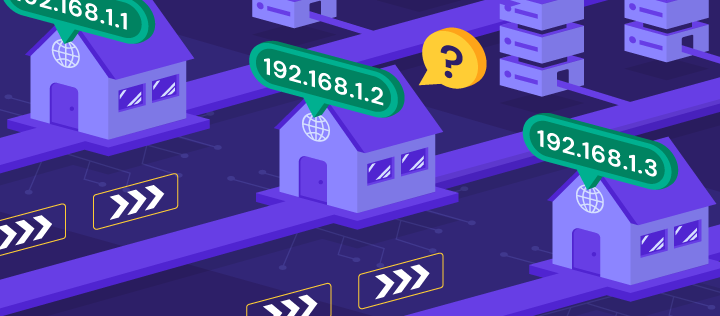
IP stands for Internet Protocol, a part of the TCP/IP network protocol widely used globally. In a computer network, devices like computers, smartphones, servers, and other network-connected devices need a unique IP address to communicate with each other over the internet. IP addresses can be used to identify the physical address of a device or the network address of an organization, depending on the type of IP address being used.
See also: MAC Address vs. IP Address: What’s the Difference?
Types of IP Addresses
IPv4 and IPv6
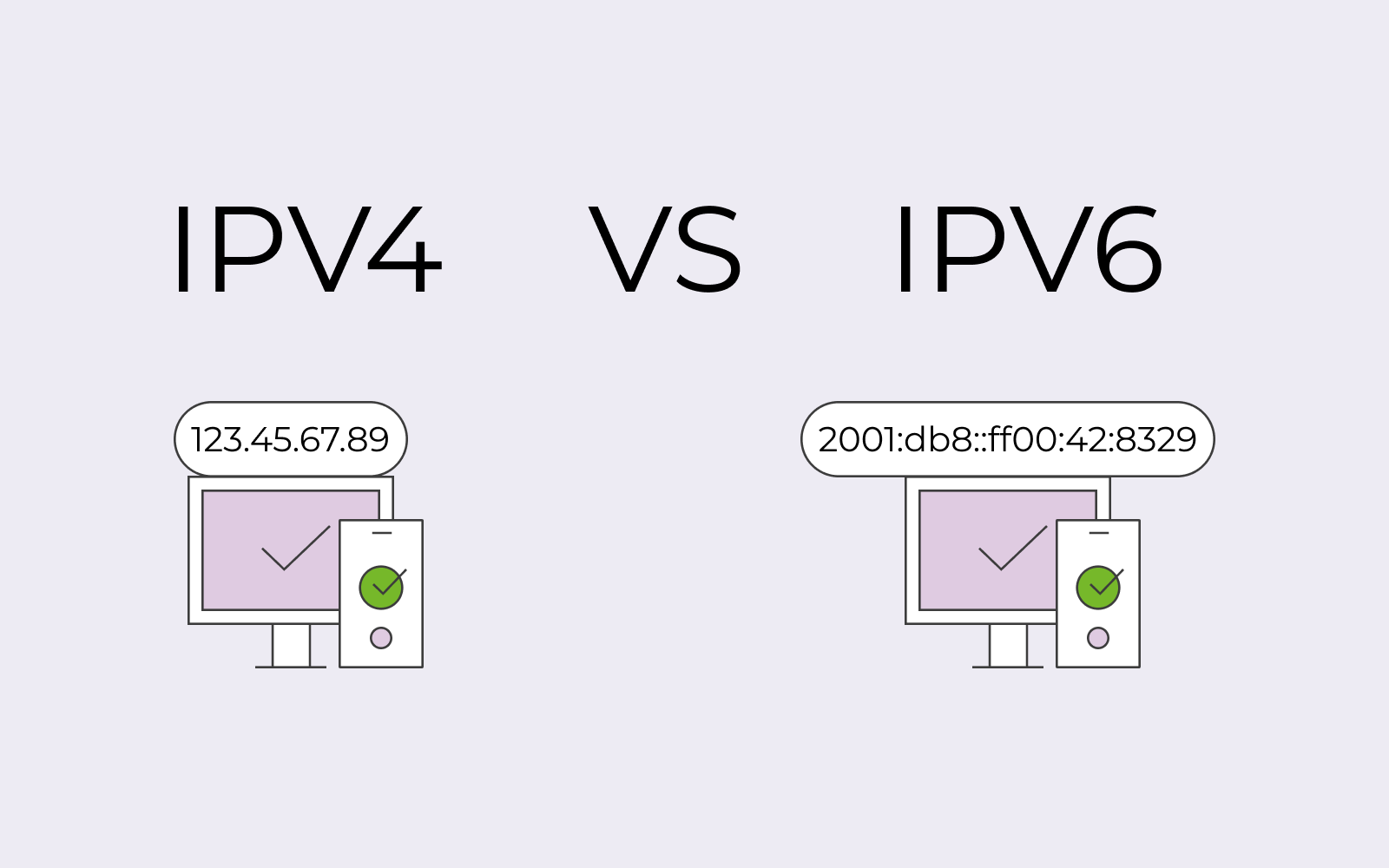
IPv4:
-
The original version of the IP address.
-
Represented by four decimal numbers, each ranging from 0 to 255, separated by periods.
-
Example: 123.45.67.89
IPv6:
-
A newer version of the IP address.
-
Represented by eight groups of 16-bit hexadecimal numbers, separated by colons.
-
Example: 2001:db8:ff00:42:8329
The main difference between IPv4 and IPv6 is the number of IP addresses that can be created. While IPv4 can generate about 4.3 billion addresses, IPv6 can create up to 340 undecillion addresses, solving the problem of IPv4 address shortages and accommodating the increasing demand for internet connections.
See more products: Buy advertising accounts
Public and Private IP Addresses
Public IP Address:
-
A unique address assigned to each device directly connected to the Internet.
-
Provided by an Internet Service Provider (ISP) and used to locate the device on the internet.
-
Devices directly connected to the internet, such as personal computers, web servers, etc., all have a public IP address.
Private IP Address:
-
An IP address used within the internal network of an organization or home.
-
Cannot be accessed from outside the local network.
-
Devices within the internal network use a private IP address to connect and exchange information with each other.
-
Private IP addresses are specified in network standards, for example, in IPv4, the private IP address ranges are 10.0.0.0/8, 172.16.0.0/12, and 192.168.0.0/16.
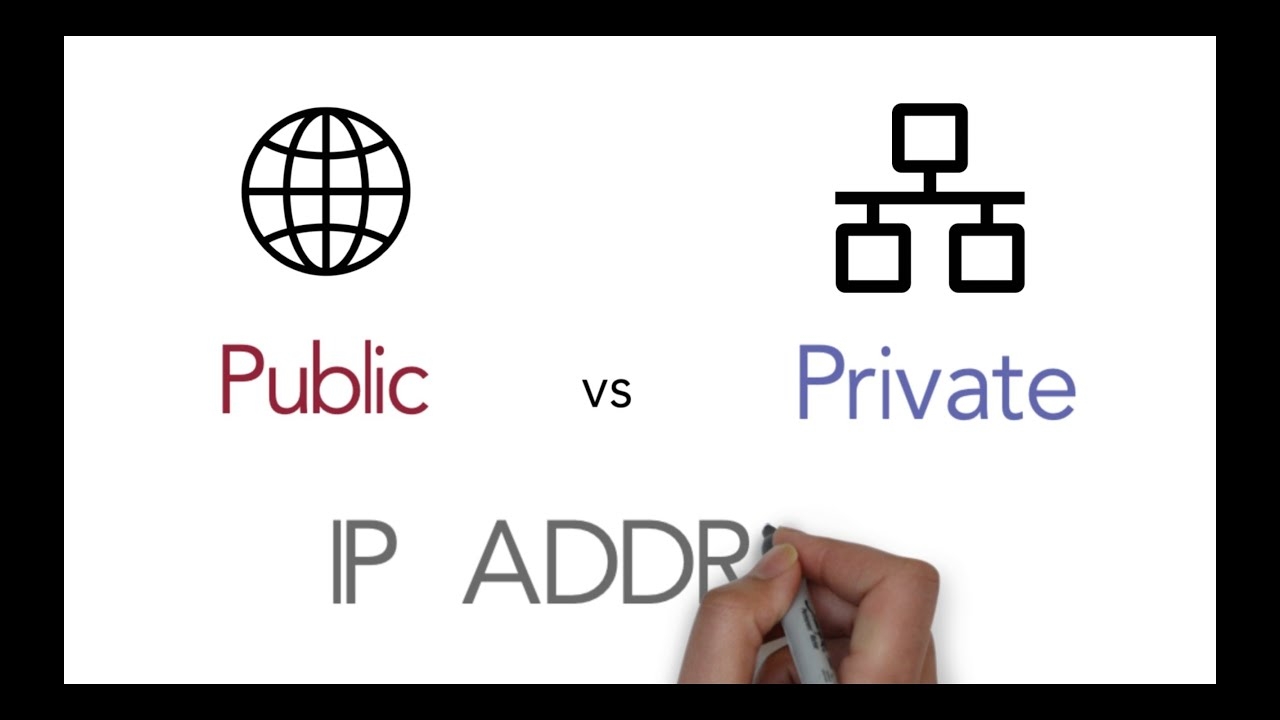
The difference between a public and private IP address is that a public IP address is unique and used to locate a device on the internet, while a private IP address is used within the internal network of an organization or home. The choice of using a public or private IP address depends on the network’s usage and management requirements.
Components of an IP Address
An IP address is divided into two main parts: the network address and the host address.
Network Address:
-
Identifies the network to which the device is connected.
-
Helps route data packets to the correct destination on the network.
-
Defined by the first few bits of the IP address.
-
Devices within the same network must have the same network address.
Host Address:
-
Identifies the device within the network.
-
Allows data packets to be sent to the correct device on the network.
-
Defined by the last few bits of the IP address.
-
Devices within the same network must have different host addresses.
For example, the IP address 192.168.0.1 is divided into the network address 192.168.0 and the host address 1.
Importance of an IP Address
An IP address (Internet Protocol address) is extremely important in connecting devices over the internet. Here are some of the key reasons why IP addresses are vital:
-
IP addresses enable devices to connect with each other on the network: Each device connected to the network has a unique IP address to identify it, allowing devices to exchange information and communicate with each other.
-
IP addresses help route data packets across the network: When data packets are sent across the network, IP addresses are used to route them to the correct destination. This ensures that information is sent to the right place, preventing network errors.
-
IP addresses are necessary for network services: IP addresses are required for network services like email, web browsing, online chatting, streaming, etc. These services all rely on IP addresses to establish connections and exchange data between devices.
See more products: Buy advertising accounts
Conclusion
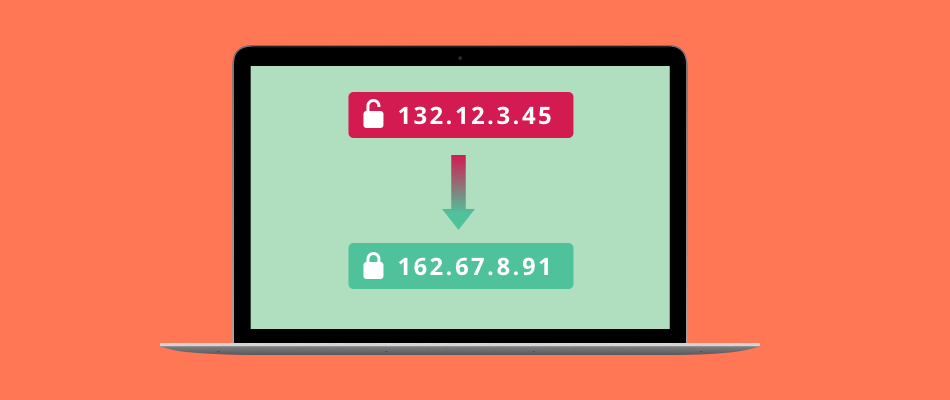
In conclusion, an IP address is an essential factor in the connection between devices over the internet, and it is also used for controlling access and ensuring network security. With the development of technology and the increasing number of devices connected to the internet, managing and allocating IP addresses has become more challenging.
Using IP addresses effectively and correctly will help ensure the stability and security of the internet network. Therefore, understanding the concept, components, and importance of IP addresses is crucial for internet users and network professionals.
If you need the most reputable payment method and advertising account provider, you can message the fanpage buybm365.com-Ads to receive advice from HT Media. In addition, you can follow the articles. Latest articles related to our Digital Marketing.