“What is Google Shopping?” – A powerful support tool for online retailers
Digital transformation on e-commerce platforms has become a prevailing trend among traditional wholesalers and retailers in recent years due to the superior business results it brings. However, the majority of consumers tend to search for and compare information about products and services before making their final purchasing decisions. Therefore, advertising solutions developed by these search engines are highly recommended for sellers. In this article, we will introduce readers to “What is Google Shopping Ads?” and why it is considered a powerful tool for online retailers today.
What is Google Shopping? – A guide you can’t miss!
Introduction to Google Shopping Ads
“What is Google Shopping?” – Google Shopping or Google Shopping Ads is a visual product advertising tool that appears alongside Google’s search ads when users search for products or services with a search query.
With its outstanding strengths, including the deep involvement of advertisers in product data feeds, the enormous traffic generated every second, and the strong suggestion capabilities of artificial intelligence (AI), it can be said that Google Shopping Ads have many advantages over Google’s keyword search ads (Google Search Ads).
To better understand what Google Shopping and Google Ads are, please watch the video below (Vietnamese subtitles available):
Where do Google Shopping Ads appear and what are their formats?
Google Shopping Ads Display Locations
According to Google’s latest updates, the display network of Shopping Ads is not limited to regular search engine results pages (SERPs), but also appears in the following prime locations:
Below the Search Bar
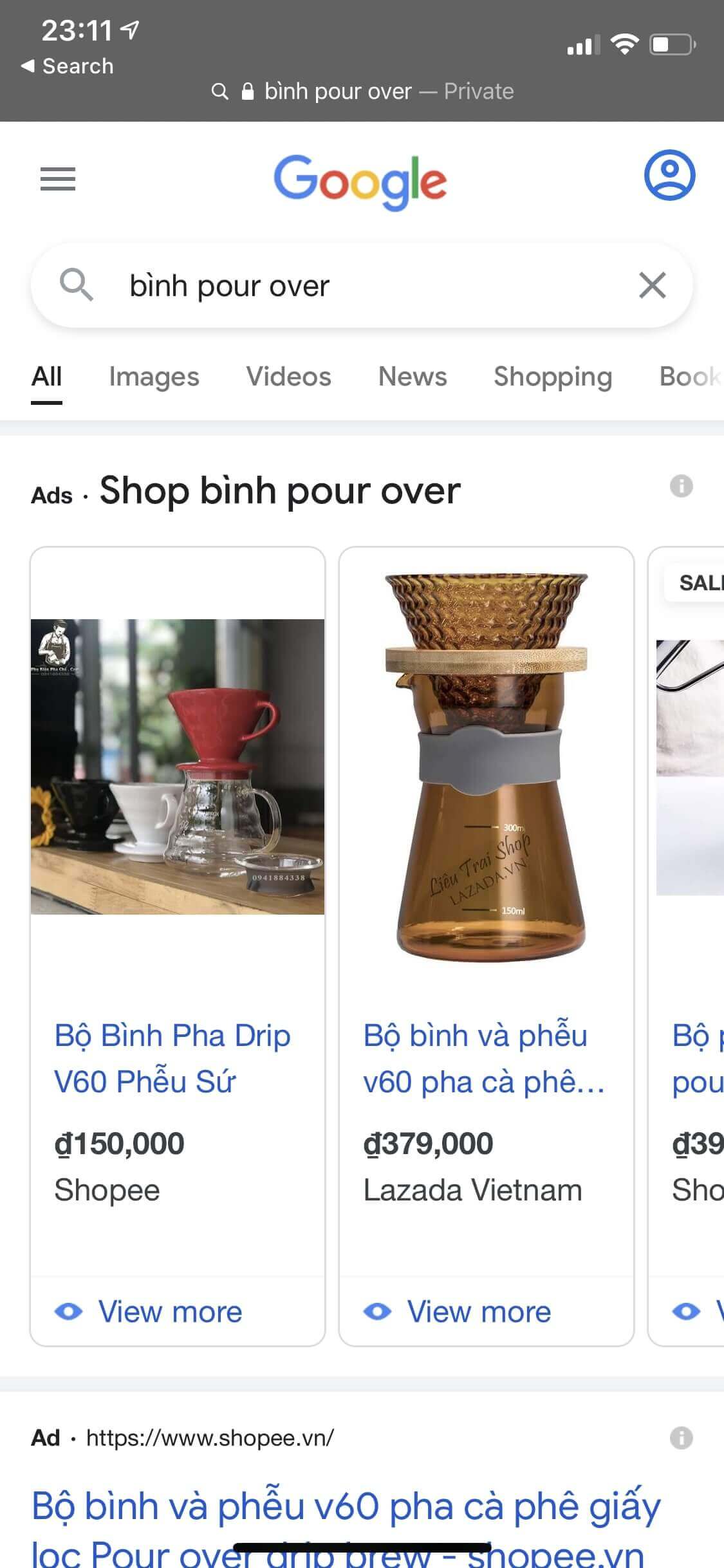
Display Location 1 of Google Shopping Ads on Mobile Interface
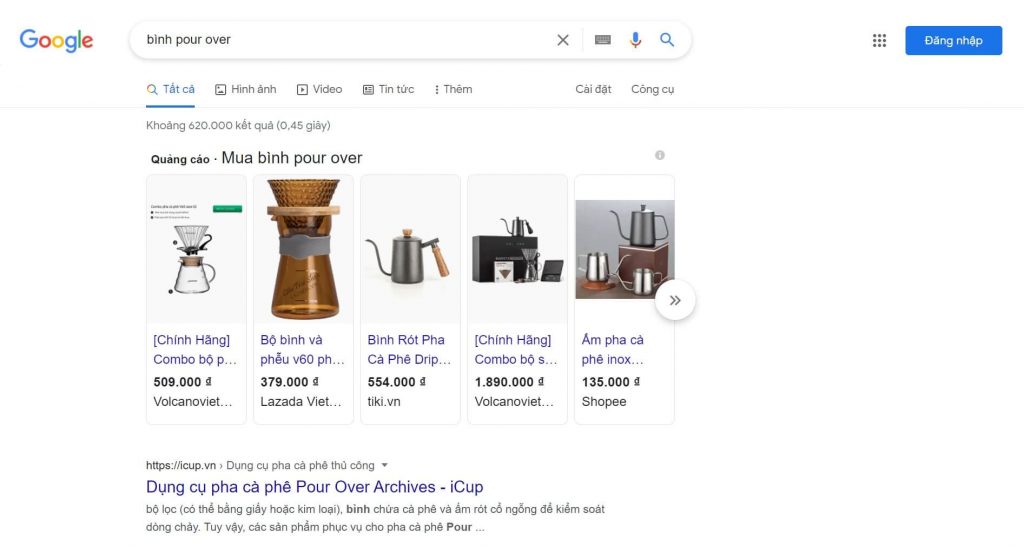
When users query information about a product on the search bar, Google Shopping Ads can appear in the most visible location – right below the search bar with detailed information including product images, names, prices, and distributors, attracting the attention of potential customers and accelerating the decision-making process. This display is available on both desktop and mobile interfaces.
See more products: Buy advertising accounts
On the Right Side of Google’s Search Results Page
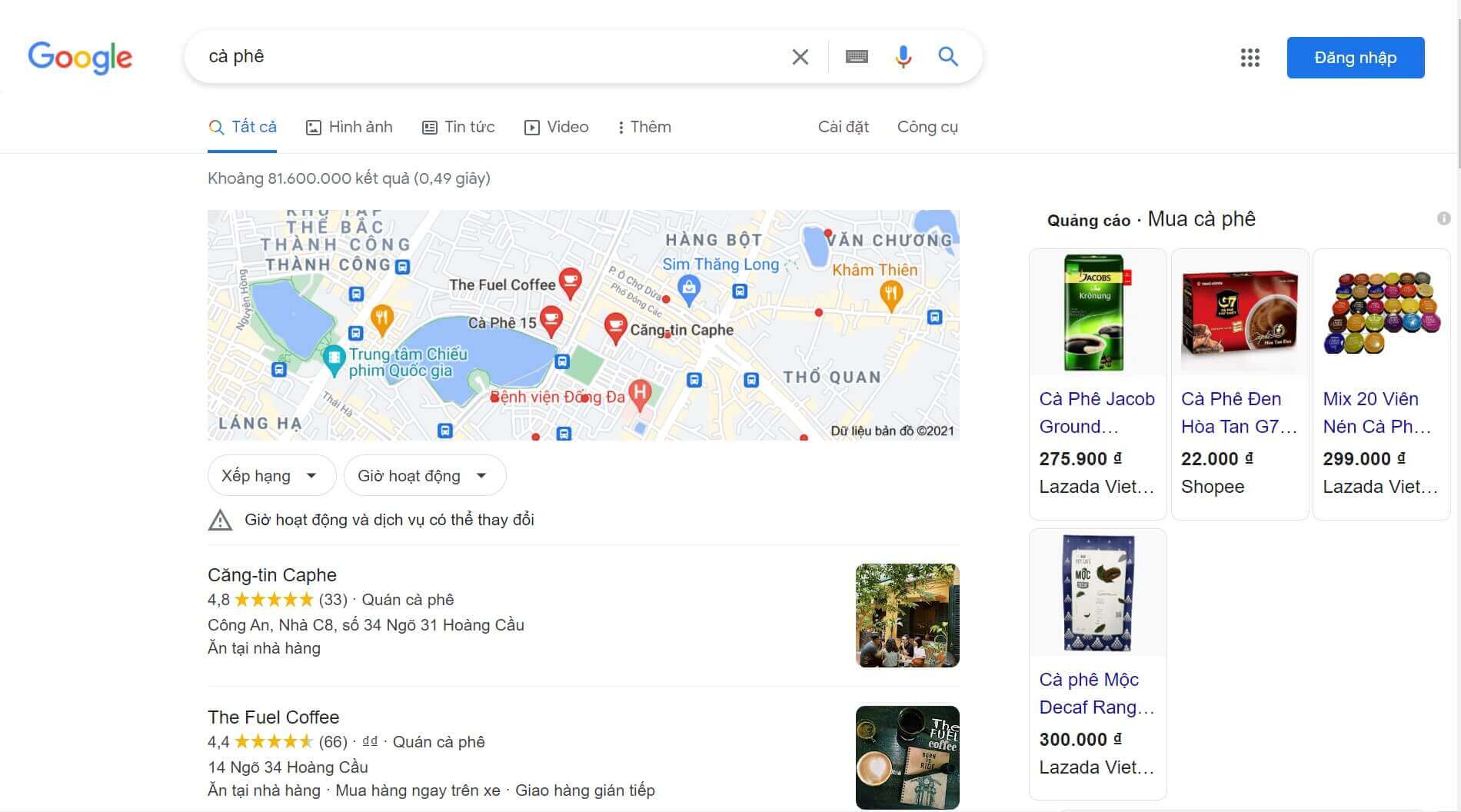
On the search results page (SERPs), Google Shopping Ads can also appear in a parallel position in the right column with search results on the desktop interface.
Google Shopping Tab
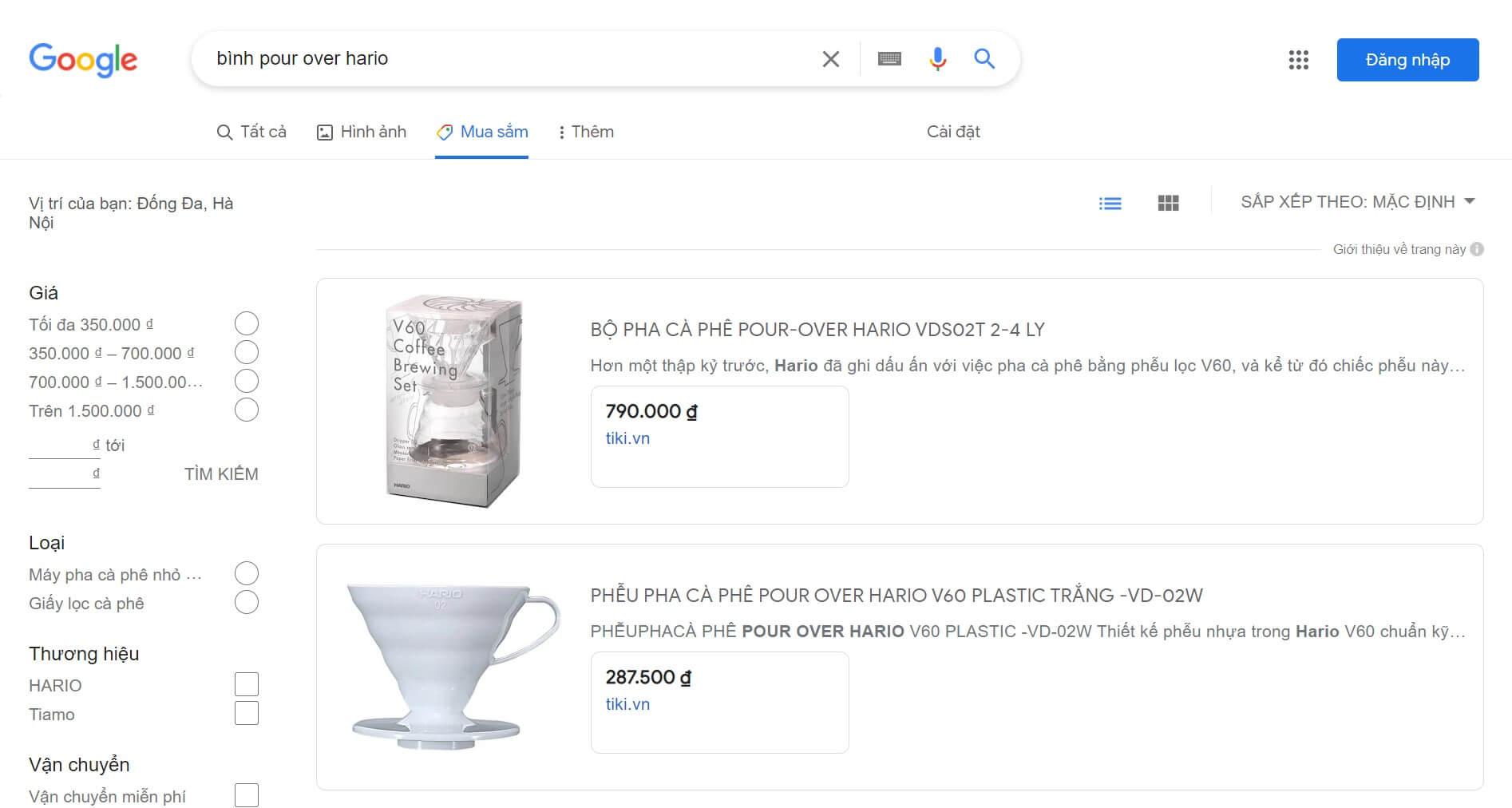
Additionally, the “Shopping” tab below the search bar is where customers can gather the most detailed and complete information about the product data feed.
Google Display Network (GDN)
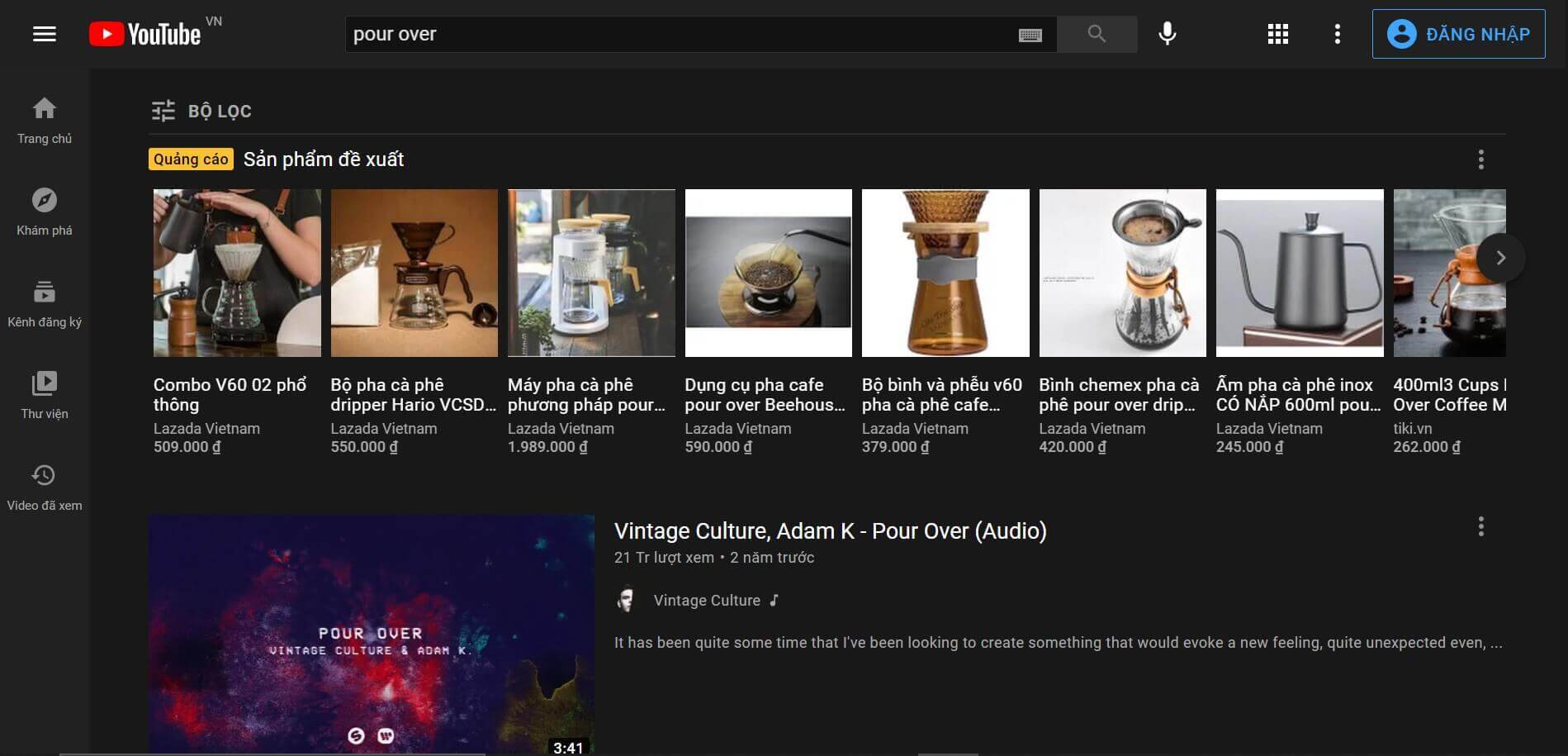
Partner websites of Google
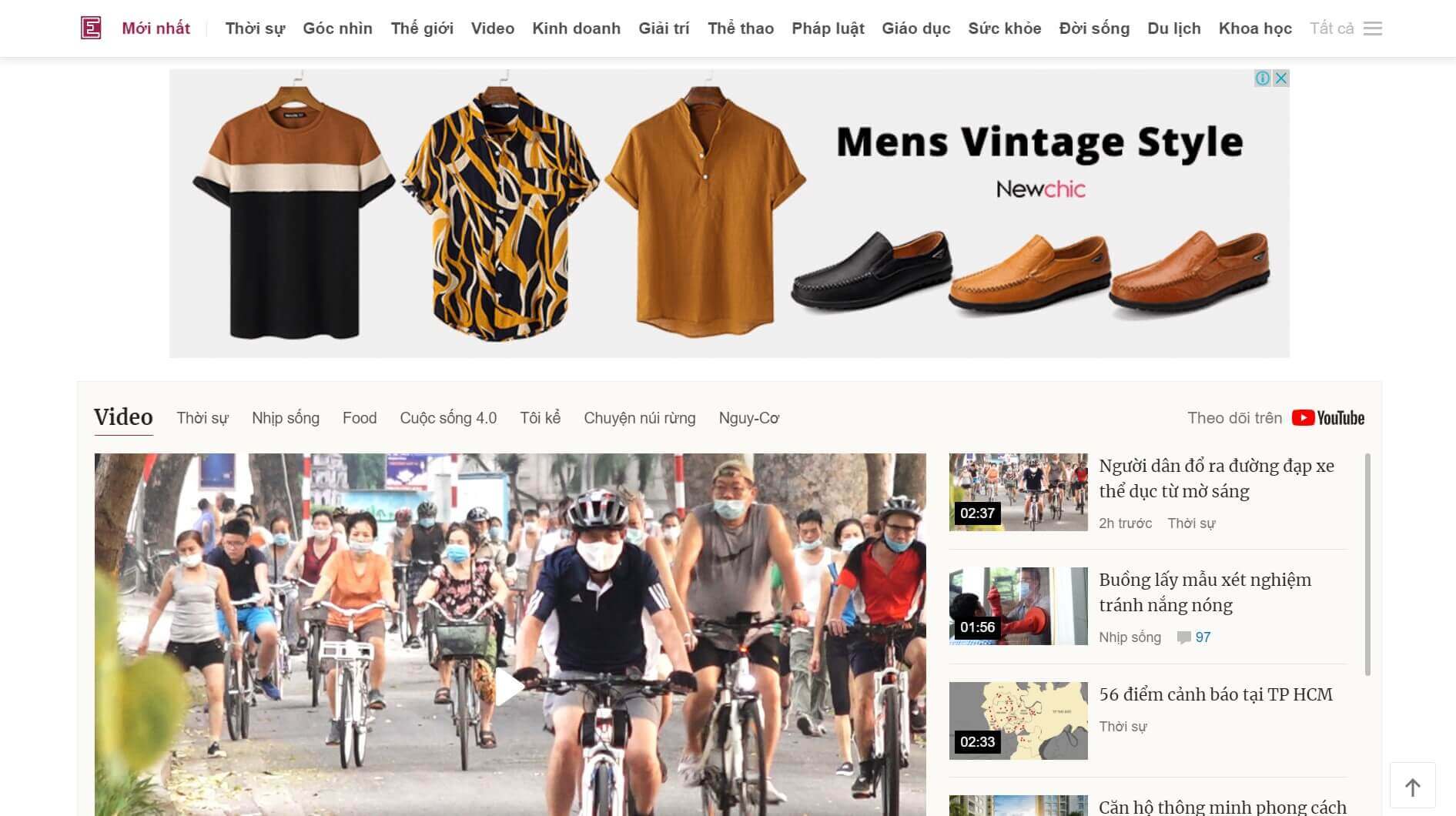
Display Format of Google Shopping Ads
The display format is a key strength of Google Shopping compared to other paid advertising tools. Specifically, the content displayed in Google Shopping goes beyond simple text containing product feature keywords; it also includes visually appealing images that advertisers can easily customize. This display format enhances the online shopping experience for customers as the image data is processed more quickly with visual elements.
What is Google Shopping Ads? – Benefits and Barriers in Application for the Retail Industry
Benefits
Deeper intervention and easier optimization
While Facebook Ads and even Google Search Ads heavily depend on keywords and query phrases in ad distribution, Google Shopping stands out by allowing advertisers to intervene deeply into the product feed, with customization options for product categories. This helps make the ad distribution more cost-effective, efficient, and precise.
Doubling the visibility range
When users search for product queries, Google Shopping Ads and Search Ads can appear simultaneously, potentially even from the same advertiser. With the doubled touchpoints between the product and customer, the chances of conversion are also doubled.
Higher conversion rates
With Google Shopping Ads, advertisers can guide potential customers deeper into the sales funnel, as important product information, such as features, deals, prices, and even visual images, appears with just one click. With immediate and complete product awareness, the comparison and consideration process is quicker, leading to an increased conversion rate based on the overall traffic to the ad. Additionally, with a direct link to the product’s landing page, Google Shopping shortens the customer’s journey and increases the chances of order conversion.
More meaningful metrics
With benchmark data, Google Shopping allows advertisers to capture important information about competitors. Additionally, with the auction simulator, the growth opportunities of a campaign become clearer to the advertiser. Therefore, Google Shopping has a competitive advantage over other paid advertising tools in terms of campaign measurement.
See more products: Buy advertising accounts
Barriers
Despite the advantages outlined above, Google Shopping is a powerful advertising tool that businesses cannot overlook, thanks to its deep customization options in campaigns and its ability to optimize ad delivery to the highest-quality potential customers. However, this is also its biggest limitation.
The limitation of Google Shopping stems from its biggest advantage. While this tool is very powerful in automating and distributing smart ads, campaigns can only achieve that with an initially complete and accurate product feed. In other words, allowing advertisers to intervene deeply in the campaign means that the initial preparation to activate the campaign requires more effort than other advertising platforms.
This difficult task mainly lies in preparing the product feed and the approval process from Google Merchant Center (GMC) for that feed. Additionally, many advertisers find that Google Shopping Ads are more difficult to set up than other advertising tools, requiring hours of research and testing to successfully set up an ad with this tool.
To assist advertisers, Google introduced a new tool developed from Google Shopping to make optimizing ads easier: Google Smart Shopping Campaigns. You can learn more about it in this article: Google Smart Shopping – What is Google’s Smart Shopping Campaign?
How Google Shopping Ads Campaigns Work
Suggestions based on search queries and user history
When consumers query information about a product in the search bar, Google Shopping ad results are returned based on a few key factors:
-
Matching degree
-
Relevance between the actual search phrase and the title
-
Description in the product feed of the campaign
-
User interaction and activity history with Google
-
Keyword bid from the advertiser
Suggestions based on a complete, accurate, and policy-compliant product feed
The completeness, accuracy, and compliance of the product feed with Google’s sales policies are crucial for the machine learning process and ranking algorithm that Google uses to suggest products on search. Advertisers should leverage the strengths of Google Shopping from the product feed, as the campaign will not be entirely dependent on keywords or search phrases, creating more proactive opportunities for conversion.
Suggestions based on product and seller feedback
Information about product reviews, customer feedback, complaints, or inquiries are factors often overlooked by online sellers and advertisers, but they are decisive in the product ranking on Google Shopping. The quality of the product and customer service directly impacts the effectiveness of Google Shopping campaigns, which is something online sellers need to pay attention to.
Cost of Initiating a Google Shopping Ads Campaign
Similar to other paid advertising platforms, advertisers can bid for keywords on a cost-per-click (CPC) or cost-per-engagement (CPE) basis. Of course, Google only charges once the product link is accessed or interacted with by users. Setting a reasonable bid helps improve product rankings while saving the campaign budget.
However, new advertisers using Google Shopping are encouraged to use Google’s free product listing feature, introduced in April 2020, to support online sellers during the pandemic. This feature is available for product feeds that meet the qualifications for uploading to the Google Merchant Center (GMC).
Difference Between Google Shopping Ads and Google Search Ads
- In terms of format, the results of keyword search ads are similar to organic search results on Google SERPs, with expanded information fields for products and services, such as store locations or operating hours. With Google Shopping, text content is limited but supplemented with visually appealing images.
- In terms of display position, Search Ads typically show 3 to 4 results after a user queries product or service information. Results appear immediately below the search bar (or at the bottom of the page) when no Google Shopping Ads results are suggested across both desktop and mobile interfaces.
However, the biggest difference between these two types of ads lies in how campaigns are optimized and run. Specifically, Google Search Ads largely rely on keywords in the three titles and two descriptions to distribute ads to users with similar queries. In contrast, Shopping Ads, in addition to titles and descriptions, use the product feed, which contains detailed fields from product types and characteristics to stock status. This approach helps Google fully understand the products being sold and distribute them to the right target audience. Thus, optimizing ad distribution based on the product feed, reducing dependence on keywords, is the strength of Google Shopping. In other words, Google Shopping’s algorithm takes care of the rest for the advertiser, while with Search Ads, the advertiser must actively research and bid for their keywords to optimize the campaign.
Which Businesses Should Implement Google Shopping Ads?
Any business that sells physical products (except those in certain restricted categories) can experiment with Google Shopping to promote their products.
Not only large enterprises but also SMEs, startups, and traditional businesses can use Google Shopping Ads as their primary tool for product promotion on online platforms.
Additionally, Google Shopping Ads are particularly suitable for online sellers with shops on e-commerce platforms, as they already have relatively complete product feeds and experience in digital selling. These sellers also understand the importance of marketing their products using paid tools.
How to Create and Effectively Run Google Shopping Ads Campaigns
Requirements and Conditions for Running Google Shopping Ads Campaigns
To successfully launch a Google Shopping campaign, advertisers need to prepare the following resources:
-
An e-commerce website that meets the sales policies of GMC and Google Ads
-
E-commerce functionality
-
Customer information security features
-
Secure checkout and payment functionality
-
SSL certificate (website URL must start with “https://”)
-
Return and refund policies, shipping policies, and user privacy policies, which are also part of Google’s verification process.
-
-
A product feed that meets Google’s data quality standards
-
A linked Google Merchant Center account with Google Ads
Step-by-Step Guide to Creating Google Shopping Ads
Once the necessary resources are prepared, advertisers can launch their Google Shopping campaign in five steps:
-
Set up a Google Merchant Center account
-
Verify the business in the Google Merchant Center account and website ownership
-
Link the Google Merchant Center account to Google Ads
-
Upload the product feed to Google Merchant Center
-
Launch the Google Shopping campaign
Setting up and launching a Google Shopping campaign is not easy for beginners, especially for those who have never used paid advertising tools on digital platforms. Issues related to verifying business transparency and the legitimacy of the advertised products will be the biggest challenges for both new and experienced Google Shopping advertisers.
Conclusion
In conclusion, with three outstanding strengths—deep intervention into the product feed, large traffic volume, and AI-driven suggestions—Google Shopping Ads is a highly effective advertising tool not only for large enterprises but also for SMEs and traditional businesses. In the challenging economic times impacted by the pandemic, business owners should seriously consider using Google Shopping as one of their primary tools for product promotion on digital platforms.
If you need the most reputable payment method and advertising account provider, you can message the fanpage buybm365.com-Ads to receive advice from HT Media. In addition, you can follow the articles. Latest articles related to our Digital Marketing.