What is Facebook Ads? And Things You Need to Know About Facebook Ads
Definition of Facebook Ads
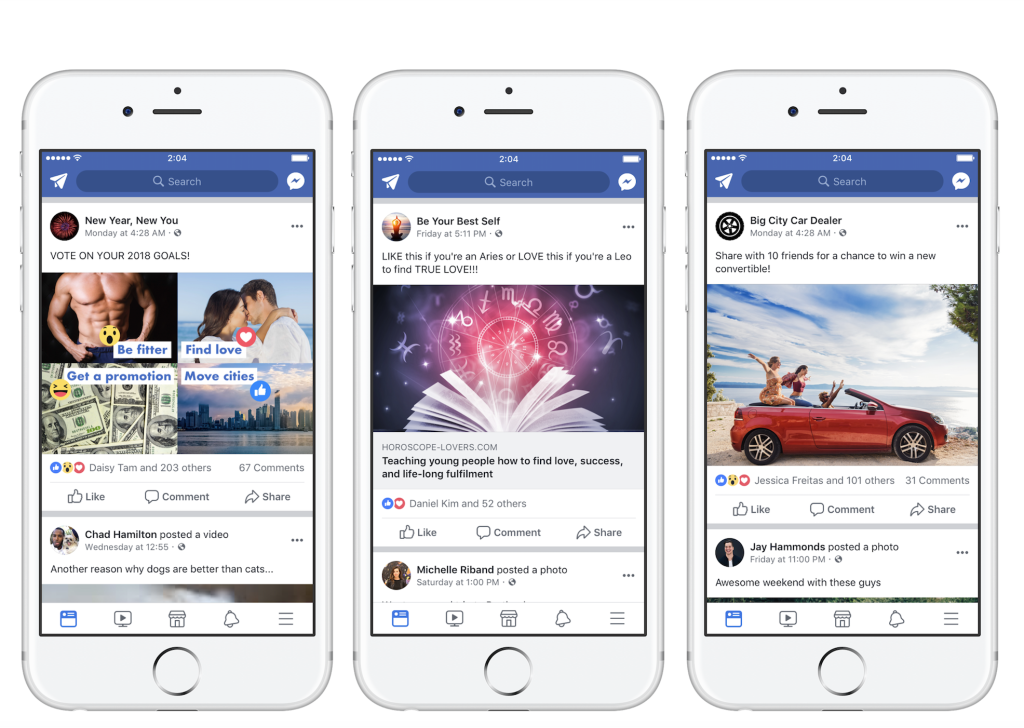
Facebook Ads refers to advertisements on Facebook. This term is used to describe ads from organizations or individuals that appear on users’ news feeds. Facebook Ads are distributed based on the target audience, such as age, gender, location, occupation, and more.
Things You Need to Know About Facebook Ads
Do Facebook Ads Affect Users?
Facebook Ads display information tailored to you. Therefore, they do not negatively impact users.
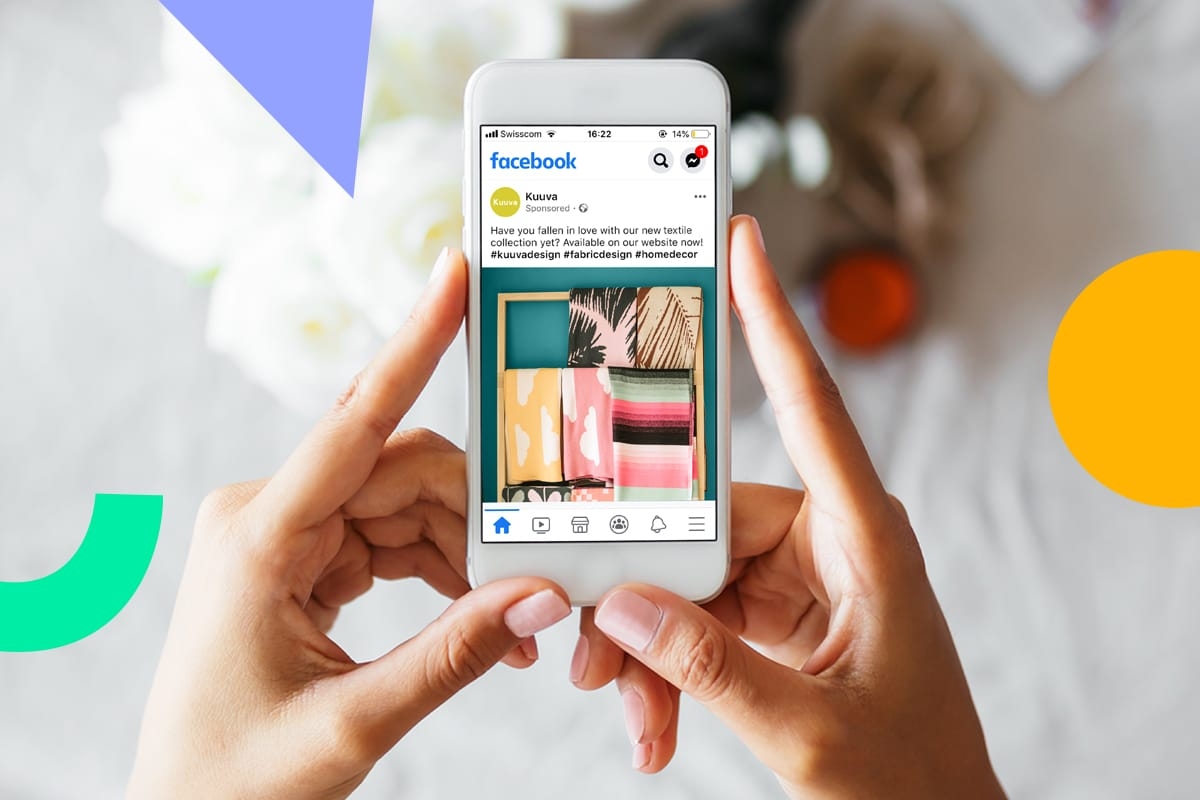
When you find an ad useful, you can like or comment on it. This helps Facebook understand that the information is relevant to you, so similar ads will appear more often on your news feed. For irrelevant ads, you can report them to limit seeing such ads in the future.
Additionally, Facebook ensures that your personal information is kept private, so there’s no need to worry about your data being “stolen.”
How Do Facebook Ads Work?
As mentioned earlier, Facebook Ads are distributed based on advertising goals. Hence, when participating in Facebook Ads, organizations or individuals need to define details about their target audience, such as interests, age, gender, location, and education level.

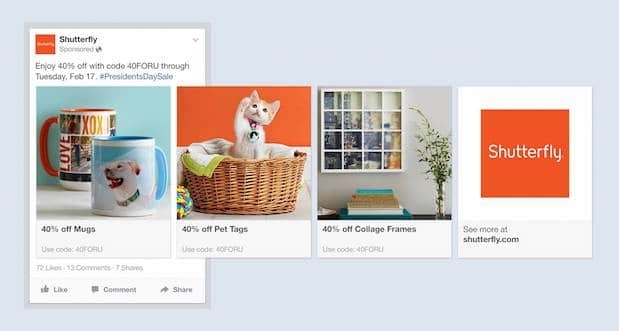
1. Carousel Ads
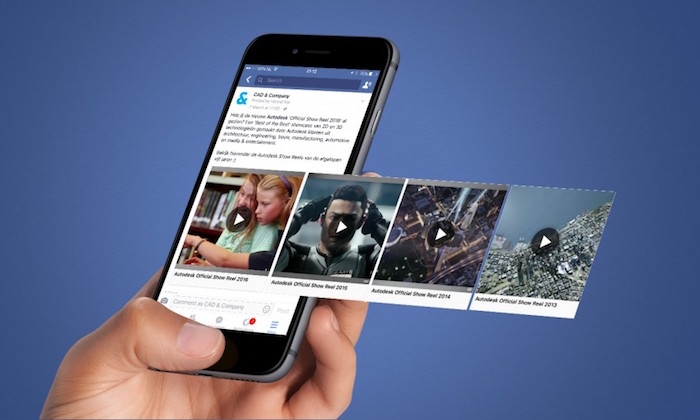
This ad format allows businesses to showcase multiple products simultaneously. It appears as a slideshow, displaying up to 10 images or videos. Each frame can link to a different landing page to provide detailed information about each product.

2. Dynamic Product Ads
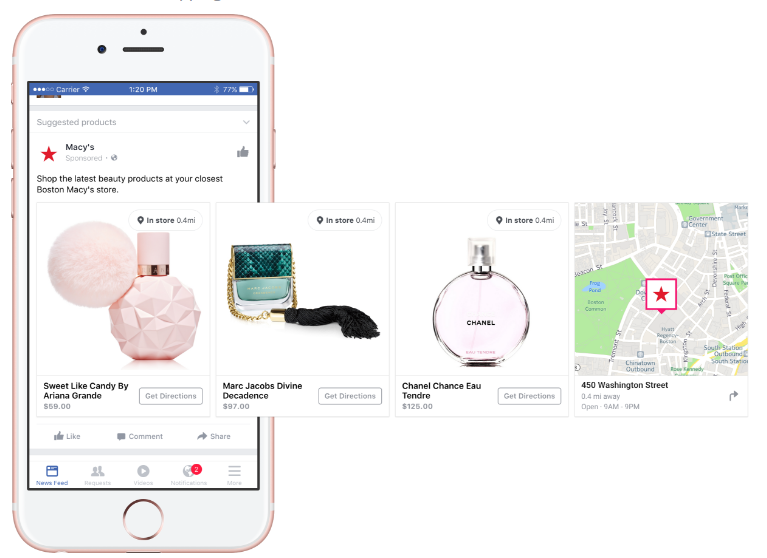
Dynamic product ads automatically personalize advertisements. Facebook will display products suitable for people who have shown interest in your website. These ads effectively convert interested users into customers, as they target users who have already interacted with the product.
3. Video Ads
Videos are highly engaging for users. Facebook Ads support this format, allowing you to introduce products, services, or brands through videos.
4. Facebook Leads (Lead Ads)
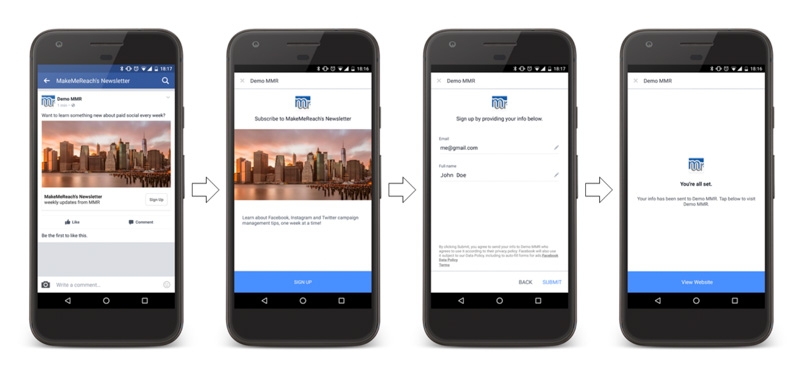
Lead Ads include a form where users can provide information such as name, phone number, and email directly on Facebook without switching to another platform. This helps businesses gather essential information to enhance customer service and consultation.
5. Abandoned Cart Ads
This format targets users who added products to their cart but didn’t complete the purchase. It’s popular because these users already have a high intent to buy. The ad subtly reminds them, often with small incentives, to finalize their purchase.
6. Event Ads
Event Ads are beneficial when your business is hosting an event. They not only attract attendees but also serve as a means to promote your brand.
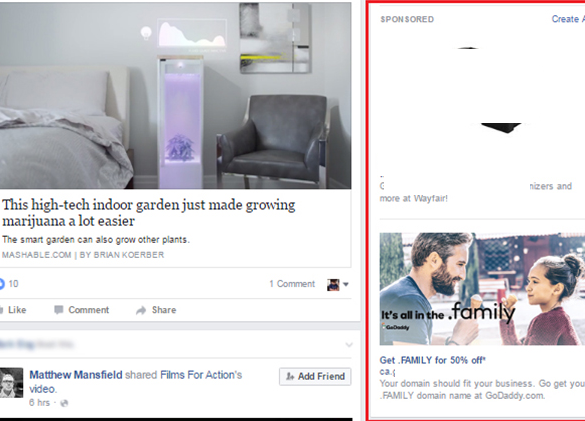
7. Domain Ads (Click to Web Facebook)
These ads promote specific website URLs integrated with your Facebook page. Ideal for increasing link clicks and website visibility, the cost is calculated per click. However, they appear only in the right column of Facebook and aren’t supported on mobile devices.
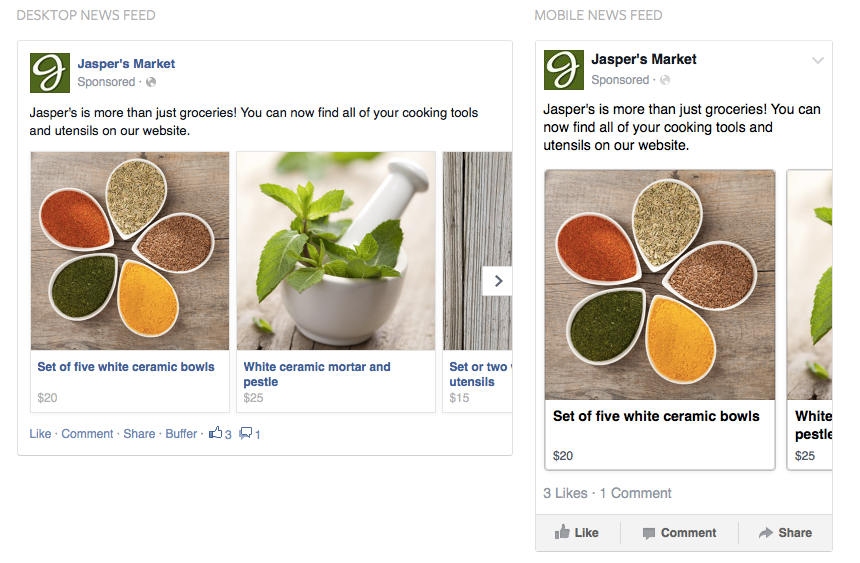
8. Multi-Product Ads (Click to Web Facebook – Multi Products)
Facebook also offers Multi-Product Ads. This format allows advertising multiple products (up to five) on the user’s news feed, each with its own detailed description.
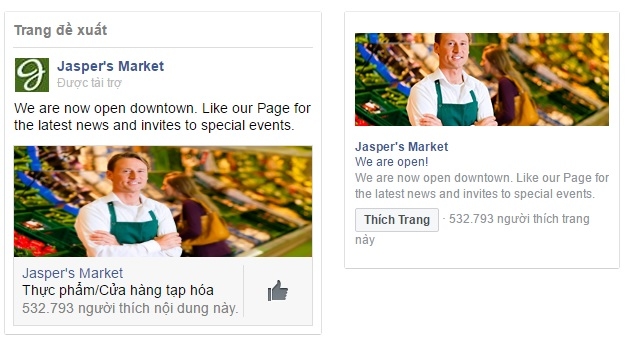
9. Page Likes Ads
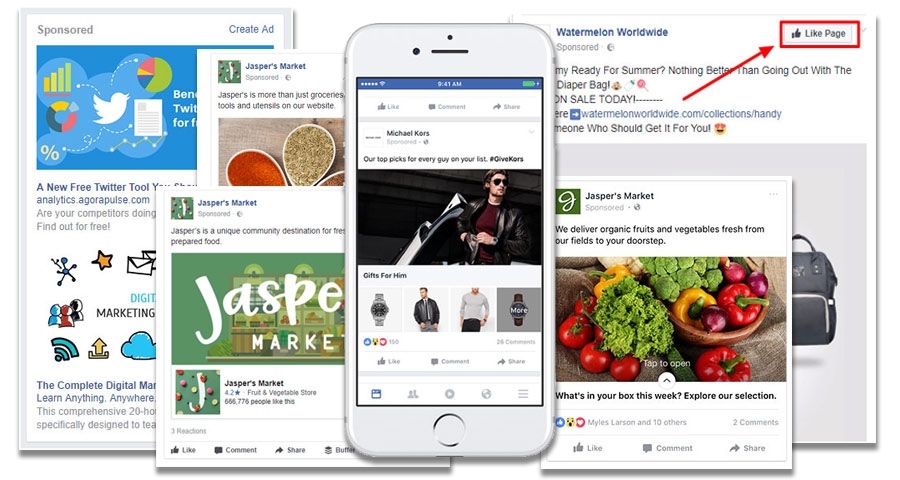
This type is widely used by organizations or individuals participating in Facebook Ads. It introduces your Facebook page to relevant users with a “Like Page” button, increasing page likes. Costs are based on interactions with the page or its posts.
10. Page Post Engagement Ads
If you have engaging posts, this ad format is ideal. It targets users who genuinely enjoy your content, leading to higher page likes. Costs are based on user interactions (likes, comments, shares, offers, video views, or link clicks).
With this information, you now understand what Facebook Ads are and the different types of ads available.
If you need the most reputable payment method and advertising account provider, you can message the fanpage buybm365.com-Ads to receive advice from HT Media. In addition, you can follow the articles. Latest articles related to our Digital Marketing.