What is a Website? Summary of Website Information
A website is a collection of pages containing information such as text, images, videos, and data, located on a domain and hosted on a web server.
Websites have certainly become very familiar with the development of modern science and technology. Today, all the information people need can be searched for on the Internet, more specifically through powerful search engines like Google, Bing, and others.
A website serves as a repository of information, a tool, and a “home” for any business. Whether it’s used to provide information about products and services, share business details, or act as a branding tool, a website can do it all.
However, despite the popularity of the term, many people still don’t have a clear understanding of what a website truly is or its real significance. Therefore, this article will discuss concepts related to websites, along with the roles and benefits that a website can bring to its owner.
See more products: Buy advertising accounts
I. What is a website?
A website is a collection of information pages, including text, images, videos, and data, located on a domain and stored on a web server. Users can access websites remotely via the Internet.
A website can exist in the form of HTML or XHTML files and can be accessed through protocols such as HTTP/HTTPS. Websites may be built using static HTML files (static websites) or operated using CMS platforms running on servers (dynamic websites). Additionally, websites can be built with various programming languages like PHP, JavaScript, Java, etc.
Put simply, a website allows the owner to publish personal, business, product, or service information or post about any topic for others to access via the Internet.
Technically, a website is a collection of linked pages grouped together on the Internet. These pages can contain information or services provided by businesses or organizations and may exist in multiple formats such as text, images, audio, or video.
Essential Pages of a Website
Based on the billions of websites currently on the Internet, Terus has compiled a list of important pages a website should have:
-
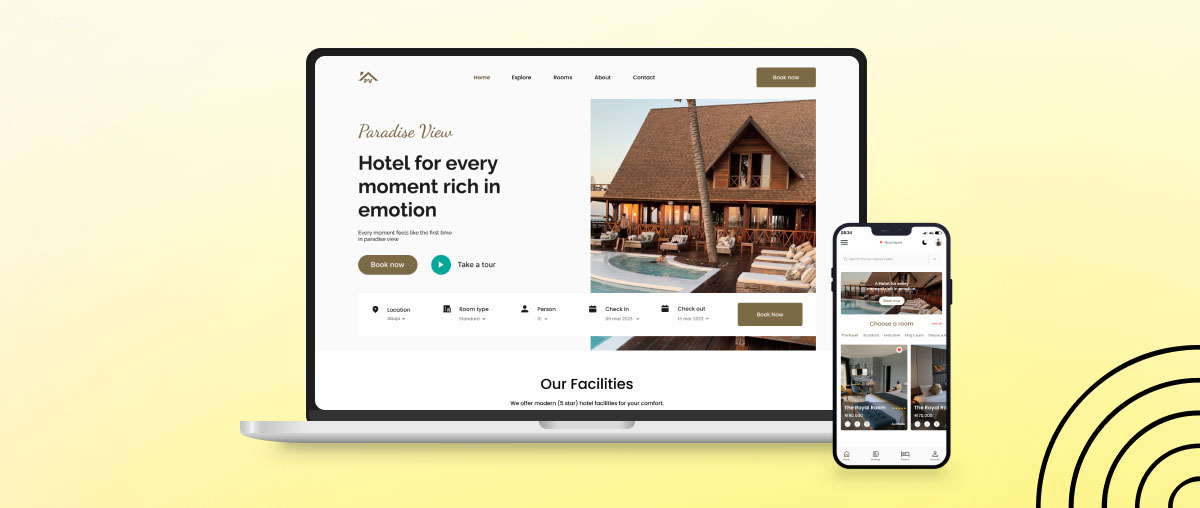
Homepage: This is the first page users see when they visit your website. It should clearly introduce the website, your products or services, and provide links to other important pages.
-
About Page: This page provides detailed information about the business, organization, or individual behind the website. It may include history, mission, vision, core values, and your team.
-
Products/Services Page: These pages offer detailed information about the products or services you offer. They should include images, descriptions, prices, and other relevant info.
-
Contact Page: This page provides users with contact information. It should include an email address, phone number, physical address, and a contact form.
-
Legal Pages: Includes pages such as Terms of Use, Privacy Policy, and Payment Policy to cover legal aspects of the website.
These are just the pages that Terus considers essential. Depending on your website’s specific goals and needs, the required pages may vary.
II. Terms Related to Websites
Websites can be created in various types depending on user needs, including personal websites, business websites, e-commerce websites, and more. In addition, there are several important terms you should understand to better grasp what a website is:
1. Website Administration
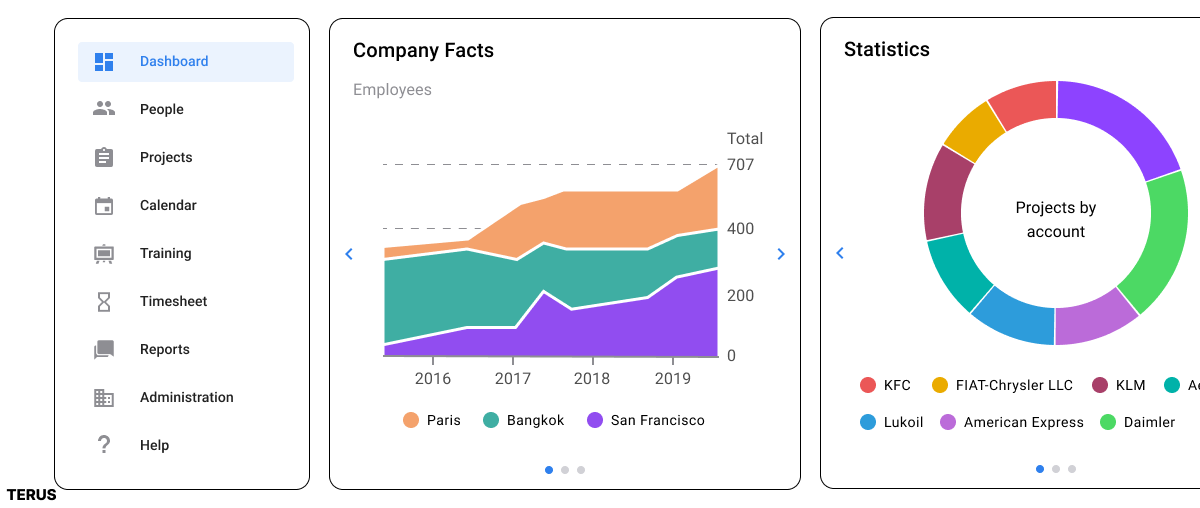
Website administration refers to the management and optimization process to ensure the website runs smoothly and provides a good user experience. This includes tasks performed after creating the website, such as:
-
Writing website content
-
Handling technical operations and troubleshooting
-
Conducting activities to optimize user experience
Responsive Website
If you’re unsure what a responsive website is, check out Terus’s article: What is Responsive?
2. Website Address
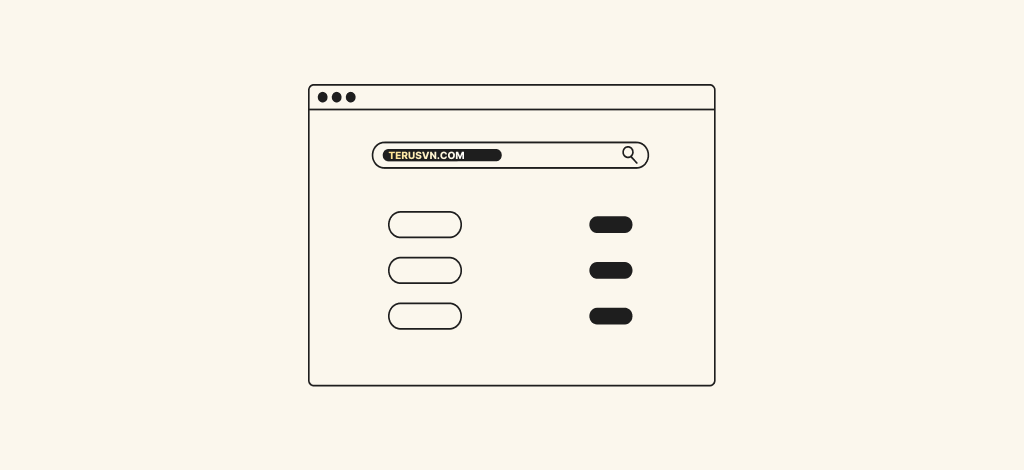
A website address or domain name is a link or URL that users use to access a website through a browser. Each website has a unique address to ensure it can be uniquely identified. Examples: terusvn.com, facebook.com, etc.
3. Website Updates
Website updating involves changing or adding new content and components to the website to keep up with trends and avoid boring users. Updating a website may include:
-
Updating website content
-
Adding or upgrading features
-
Following current trends
4. URL
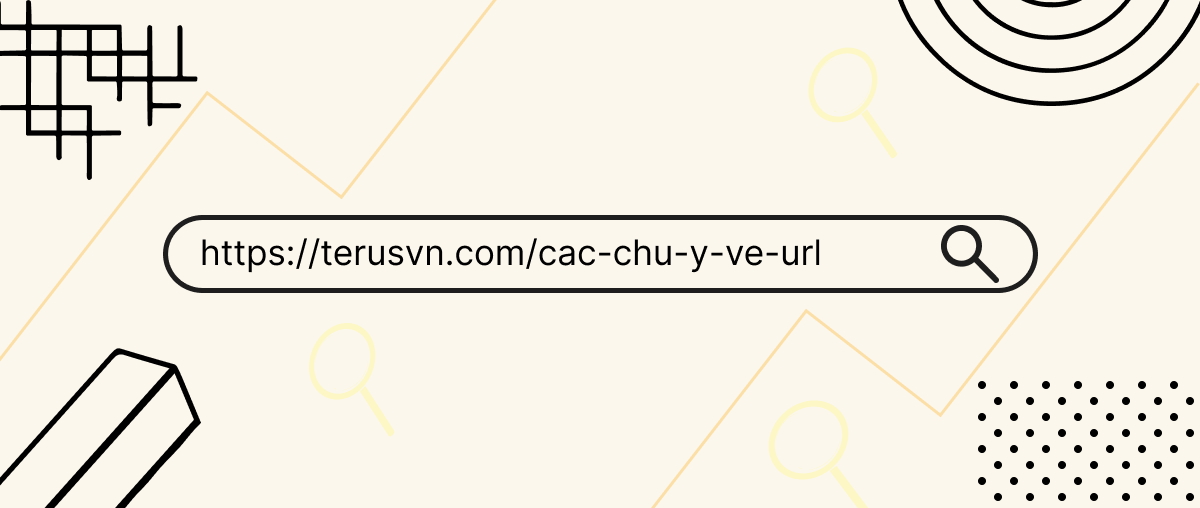
URL stands for “Uniform Resource Locator.” It can be seen as a “unified resource identifier.” A website’s URL is a link pointing to specific resources on the website available on the Internet.
Most web browsers display a website’s URL at the top in the address bar. A URL is a readable string used in place of the computer’s IP address (which is long and hard to remember) to connect to the server.
III. How a Website Works
Before delving into how a website works, you need to understand two important terms: Internet and the World Wide Web, as they are the foundation of all websites currently existing globally. According to the definitions:
-
The Internet is a technology or basic structure that connects computers worldwide to enable
See more products: Buy advertising accounts
- The World Wide Web is a system that allows the sharing of information via the Internet.
A website consists of multiple webpages, which are collections of HTML or XHTML files stored on a web server. Users can access a website through browsers such as Google Chrome, Microsoft Edge, Mozilla Firefox, Safari, etc.
However, a website is just one of many methods of sharing information over the Internet. Users can also use email or the FTP protocol to share information online.
For a website to function properly, it must include the following essential components:
-
Domain (Website Address): This is your website’s address, allowing users to easily access it.
-
Hosting (Data Storage): A server used to store the source code and other components of the website.
-
Source Code: A system consisting of one or more files written in programming languages and assembled into a user interface on the website.
Additionally, an internet connection is essential for users to access the website. Without it, users can only access the website within the same hosting server or local network (LAN).
IV. What Components Make Up a Website Interface?
After understanding what a website is, Terus will break down the components of a simple and commonly used website. Note that the elements and content of each website will vary depending on its purpose and usage needs. The main components of a website typically include:
1. Header
The header refers to the title or logo section at the top of a page. Its purpose is to help visitors easily understand the structure and content of the website.
This section typically includes elements like the logo, phone number, language options, login or register buttons, search bar, shopping cart, etc. Some specialized websites designed for conversions may omit the header to avoid distracting the user, thus increasing conversion rates effectively.
2. Slider/ Carousel
The slider (carousel) refers to the slide-show display area on a website. For example, it may be a rotating product banner or a series of images. Previously, it was also known as a static banner.

The slider is placed below the header to showcase key aspects of a company, such as its slogan, products, or services.
These images are typically set to slide horizontally or in a specific direction with added effects (carousel style). The slider usually includes navigation buttons that let users view the next or previous image easily.
Commonly, sliders also contain call-to-action (CTA) buttons such as: Order Now, Get a Consultation, Contact Us, etc. This is an essential component in designing hotel, resort, car dealership, or any aesthetically demanding industrial websites.
3. Content Area
Among all website components, content is the most important. The content area is the website’s main section that provides information to the reader and contains the most detailed information about the topics, products, or services the business wants to showcase.
Content must be presented in a clear, readable format. More importantly, useful information will help retain users longer on your website.
Content can take many forms: text, images, audio, video, etc. This is also the section where Google evaluates whether your website is helpful or not. For SEO-friendly websites, this area is critical and heavily invested in.
See more products: Buy advertising accounts
4. Footer
The footer is located at the bottom of the website and usually includes information such as copyright notices, quick links, website information (e.g., social media channels, contact info, business address, etc.).
V. Benefits of Owning a Website for Businesses
In general, whether large or small, every website needs to be professional and well-maintained. According to data from Google, users tend to research products and services thoroughly before making a purchase from a business online.
Now, imagine the worst-case scenario where your business either doesn’t have a website or has one that isn’t optimized for users. How would your customers feel? They might turn to your competitors, causing your business to miss opportunities to increase revenue and expand the market.
That’s why it’s crucial to invest more attention into your website, as it brings several benefits to your business, including:
-
24/7 Online Presence: A website keeps your business accessible on the Internet at all times, allowing customers to access information about your company, products, and services whenever they want.
-
Brand Promotion and Credibility: A website is a platform to introduce your brand, products, and services to potential customers. A well-designed and informative website helps establish a professional and credible image for your business.
-
Market Expansion: A website helps businesses reach potential customers worldwide. Unrestricted by geographic location, companies can easily sell and deliver services to customers anywhere.
-
Increased Revenue: A website can be used for online sales, gathering customer leads, and running promotional campaigns.
-
Cost Savings: A website can reduce operational costs by automating some business processes, such as customer support and order processing.
-
Improved Customer Service: A website provides customers with a convenient channel to contact the business and receive support. It also enables businesses to collect customer feedback and improve services.
-
Customer Data Collection: Websites help businesses collect customer data such as contact details, preferences, and buying behavior. This data can be used to refine marketing and sales strategies.
-
Enhanced Competitiveness: In today’s world, most businesses have websites. A business without a website will be at a competitive disadvantage.
This article contains information about websites and their types that Terus wants to share with our partners and the business community.
We hope this article helps you better understand the structure, benefits, and usage of this powerful tool in work, study, and daily life. Thank you for reading to the end.
If you need the most reputable payment method and advertising account provider, you can message the fanpage buybm365.com-Ads to receive advice from HT Media. In addition, you can follow the articles. Latest articles related to our Digital Marketing.