What is a Server? Things You Need to Know About Servers
A modern information system, aligned with current technological trends, is essential for companies that want to survive and thrive in the era of Industry 4.0.
Businesses cannot overlook the server, which is vital to maintaining and ensuring the smooth operation of their IT systems.
I. What is a Server?
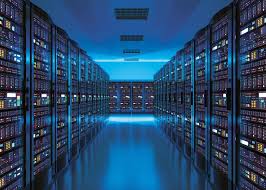
A server is a type of computer connected to the Internet or a computer network, with a static IP address and high processing capabilities. Software is installed on the server so it can interact with other computers and provide services and resources.
To put it simply, a server is a specialized computer with much greater processing and storage capabilities than a regular computer. It is used to handle and store data either on a local network or on the Internet.
All services provided over the Internet are built on servers. Servers are essential for the functioning of Internet services such as apps, websites, and online games.
The Formation and Development of Servers
1. The Origin of Servers
The concept of a server, though widely used today, originated from terms like “Black-box” and “Queue”—an algorithm that processes input and returns output to users.
2. Development Timeline
-
1991:
The first web server, NeXTCube, was built using a machine called NeXTCube. Specs: NeXTSTEP OS, 256MHz CPU, 2GB hard drive. -
1994:
Compaq introduced its first rack-mounted server—ProLiant Series, using an Intel Pentium II Xeon 450MHz processor, 256MB RAM, and a 24X CD-ROM. -
1998:
Sun Ultra II was the first server used by Google and is significant in server history. -
2001:
The first modern blade server, RLX Blade, was built by former Compaq employees and later acquired by HP in 2005. -
2008:
A cluster of PS3 systems was used to create a distributed computing platform with GPU acceleration. -
2009–Present:
Cloud servers emerged, leading to “virtualized” servers that are no longer bound to physical hardware thanks to virtualization technologies.
See more products: Buy advertising accounts
II. Most Common Types of Servers Today
Based on how servers are built, they can be categorized into three main types:
1. Dedicated Server
This type runs on physical hardware with dedicated components like CPU, hard drive, network cards, and RAM.
2. Cloud Server
Cloud servers combine multiple physical servers and SAN (Storage Area Network) to create a scalable solution. Ideal for those who need powerful servers but have limited budget.
3. Virtual Private Server (VPS)
VPS is created by dividing a physical server into multiple virtual servers using virtualization technology. These virtual servers share the host’s resources.
4. Web Server
Used to store data and host websites. It provides a stable connection so users can access sites easily via the HTTP protocol. Web content is typically in HTML format.
5. Database Server
This server runs database management software for processing, managing, and retrieving data. Common tools include Microsoft SQL Server, MySQL, and Oracle.
6. Mail Server
Enables sending and receiving of emails. Email clients connect to mail servers using POP or IMAP to receive mail, and SMTP to send messages.
7. FTP Server
Supports file transfer protocols. Software like FileZilla or CuteFTP allows remote access to FTP servers.
8. DHCP Server
Assigns IP addresses, default gateways, and other network configurations to client devices using the DHCP protocol.
9. DNS Server
Resolves domain names. It translates domain names to IP addresses and vice versa.
III. The Role and Operating Principle of a Server
Role of a Server
In the digital economy era, businesses focus heavily on improving and developing their online business models. It is difficult for any company to compete in the online environment without understanding the role of a server.
So, what does a server do? The main function of a server is to provide, store, and process data before sending it to client computers or users via a LAN or the Internet. Servers are designed to operate continuously and are only turned off during failures or maintenance.
A server is the most critical component in running software, managing, and storing a company’s data. When using a server system, businesses only need to invest in optimal server hardware and don’t have to spend much on individual client machines.
For individual users, a server also handles storing, processing, and running important system data.
The Internet revolution and nearly all other fields depend on servers. Servers perform the tasks of collecting and storing resources after they have been distributed across the system. Ultimately, this ensures customer service remains the top priority.
Operating Principle of a Server
In a client-server model, the server receives all valid Internet requests and responds to the computers that sent those requests. The computer is considered a client when it sends a request to the server and waits for a response.
Servers and clients must follow a set of communication rules called protocols. To this day, common protocols like HTTPS, FTP, and TCP/IP are still in use.
Understanding how a server works helps explain why every client must follow a protocol provided by the server to retrieve information. When a request is valid, the server collects the required data and sends it back to the client.
All it takes is for the client to send a request signal, and the server will accept it and return the result in the shortest time possible.
IV. The Impact of Servers on Business and Daily Life
1. Impact on Business Activities
In the Industry 4.0 era, all business activities are Internet-based. Thus, websites play a vital role in delivering services and conducting sales.
Every website is hosted on a server, which directly affects how customers access it. Understanding how to use a good server can enhance user experience and improve website usability.
2. Impact on Daily Life
Nowadays, Google can quickly provide hundreds or thousands of relevant results for your search queries. This demonstrates how powerful Google’s server systems are in making searches efficient and fast.
See more products: Buy advertising accounts
V. Criteria for Choosing a Server
Based on the information above, you likely now understand what a server is and the benefits it provides. Below are the criteria for choosing a server that fits your business needs and goals:
1. Performance
Choose a dedicated server if you need high performance and speed. It reduces risks and avoids network congestion compared to shared hosting options.
2. Cost
If you’re an individual or a newly established small business, consider using affordable hosting plans like Business Hosting or renting a VPS, as they are budget-friendly and easy to manage.
3. Flexibility and Scalability
If your main concern is flexibility and scalability, renting a VPS is a suitable choice. VPS can be upgraded to handle increased traffic demand.
4. Security
Today, many hosting providers offer built-in DDoS protection. However, if you want to ensure your website runs smoothly without being compromised by malicious users or spammers, you should research DDoS attack technologies.
Benefits of Renting a Server
Renting a server includes access to storage, security, hardware, and networking equipment. Key benefits of renting a server include:
-
Quick setup and deployment: To save on server purchase and configuration costs, rent from a reputable hosting provider who will also offer technical support throughout the rental period.
-
Easy upgrades and scalability: When working with server rental providers, you can quickly scale up by simply contacting a reliable service provider.
-
Simplified budget management: If you understand the types of servers available, you only need to pay a monthly or yearly fee rather than managing an entire server system yourself. This pricing is clearly listed on the provider’s website.
If you need the most reputable payment method and advertising account provider, you can message the fanpage buybm365.com-Ads to receive advice from HT Media. In addition, you can follow the articles. Latest articles related to our Digital Marketing.