What is a Personal Website? Why Do You Need a Personal Website?
Nowadays, every business in any industry owns at least one website, using various creative methods to promote their brand. However, it is no longer just businesses—individuals can now also create their own personal websites to express themselves, especially to seek job opportunities from employers. So, what is a personal website?
I. What Is a Personal Website?
With the growing popularity of the Internet, many people today need a personal website—a place that provides all the information related to their hobbies, viewpoints, and personal life.
Personal blogs, also known as online diaries, were considered a popular format before the concept of personal websites “came to life.” In these blogs, the writer could post daily, weekly, or monthly, depending on how much time they had available.
Personal website design is becoming increasingly popular because blogging now requires more professional management and presentation. These websites serve as a personal channel for sharing useful information on topics like beauty or health from the site owner’s perspective.
II. Why Should You Design a Personal Website?

See more products: Buy advertising accounts
1. Building a Personal Brand
A personal website is where you introduce yourself, your professional background, experience, and achievements to others. A well-designed and professional website helps you make a great impression on potential clients, employers, and partners.

As mentioned earlier, it’s also a space to share your ideas, thoughts, and passions—attracting like-minded people and building a community around you.
2. Seeking Job Opportunities
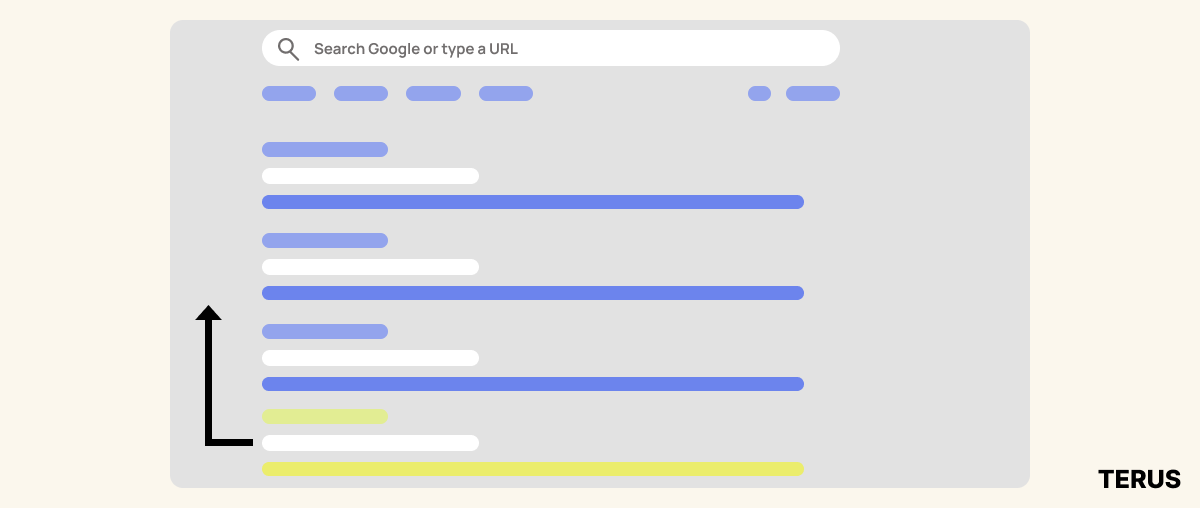
In the digital age, employers often search for candidates through online channels like personal websites, LinkedIn, and other job platforms. A personal website optimized for search engines (SEO) makes it easier for recruiters to find you when they are looking for candidates with matching skills and experience.
On your website, you can share your résumé, portfolio, recommendation letters, and other work-related information. This demonstrates professionalism and increases your chances of getting interview invitations.
3. Expanding Business Opportunities
If you’re a freelancer or entrepreneur, a personal website is where you showcase your products, services, and brand to potential customers. On your website, you can provide detailed information about your offerings, pricing, payment methods, etc.
You can also use your site to collect leads, build email lists, and launch marketing campaigns. Additionally, a personal website helps establish credibility and trust with customers, boosting your sales in the process.
4. Sharing Knowledge and Passion
If you have knowledge and passion in a specific field, a personal website is a great platform to share them with the world. You can write blogs, create videos, tutorials, or other types of content to share with the community.

Sharing knowledge not only helps you connect with like-minded people but also helps establish your reputation and authority in your area of expertise.
5. Expanding Personal Networks
A personal website helps you connect with friends, family, colleagues, and people with similar interests. You can share everyday moments, post personal updates, and interact with others via comments, messages, etc. It also helps you grow your network and expand future opportunities.

See more products: Buy advertising accounts
Overall, designing a personal website offers many advantages. If you don’t already have one, consider creating your own website today to start reaping these benefits.
III. Components of a Personal Website
To own a complete, fully functional, and effective personal website, here are the essential components you should include:
1. Header
- Logo: Your personal brand identity

-
Slogan: A brief introduction about yourself or your site
-
Navigation Menu: Helps users navigate easily between different pages
-
Search Box: Allows users to search for specific content on the site
-
Contact Information: Provides ways for users to get in touch with you
2. Main Content
-
Introduction: Highlights key information about you, including experience, skills, interests, etc.
-
Project Portfolio: Showcases your notable projects
-
Blog: Share your articles, ideas, and experiences
-
Certificates and Awards: Displays your qualifications and achievements
-
Skills: Highlights your skill set
-
Testimonials: Shares praise from clients or colleagues
-
Call to Action (CTA): Encourages visitors to take specific actions, such as contacting you or downloading your CV
3. Footer
-
Copyright Information: States the ownership of the website
-
Social Media Links: Connect with you on various social platforms
-
Newsletter Subscription: Allows users to sign up for email updates on new posts or website changes
4. Additional Elements
-
Portfolio: Displays your creative works, such as images, videos, or designs
-
Online Store: Sell your products or services
-
Guest Blog: Share your articles on other websites
-
Forum: Create a space for user discussions
IV. The Simplest Free Tools to Create a Personal Website
Today, there are many useful tools available to help beginners create a free personal website. You don’t need much programming knowledge to build your own site that reflects your personal style. Let’s take a look at the best tools for creating personal websites today:
1. WordPress

The number one candidate we recommend is WordPress. WordPress is the most popular and beginner-friendly tool for creating personal websites.
Step 1: Go to WordPress.com, choose Create a Free Website or Blog, then click Start your Website to begin creating your personal website.
Step 2: Enter your account details, email password, domain name, and click Create Your Account. At this point, your website URL will be [yourwebsitename].wordpress.com, where the name is generated based on your email.
Step 3: On the new interface, fill in the required information in the form and click Next Step. Click No, Thanks to skip the new window.
Step 4: Choose from the available website themes.
Step 5: Enter your email and password to register your WordPress website. Click Continue to have the system send a confirmation email. After verifying through email, your personal website on WordPress is successfully created. Now you can update your personal information and freely customize your site using the available features.
2. Blogger
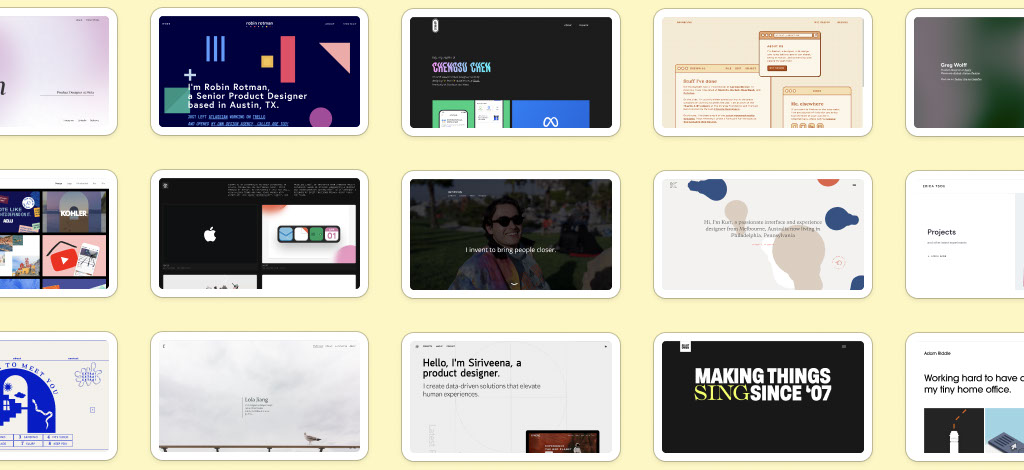
Blogger, developed by Google, is completely free for everyone. It’s another excellent tool we recommend. To create a personal website, follow these steps:
Step 1: Visit Blogger.com, and click Create Your Blog.
Step 2: Enter your Gmail username and password. Provide a display name so the system can create your website domain, then click Continue to Blogger—a new interface will appear.
Step 3: At this point, your personal website has been successfully created. You can browse Blogger Themes on Google to find new templates, decorate your site, and customize the menu and layout as you wish.
3. Google Site
See more products: Buy advertising accounts
Another tool, also owned by Google, is Google Sites. There’s no doubt—this is a well-known and user-friendly tool for creating personal websites.
Step 1: Go to Google Drive > Sign in with your Gmail account, then click the “+” button.
Step 2: Enter a page title as desired and choose Change Image to select a background image. Input your website name and adjust the layout as needed—add titles, text, images, etc.
Step 3: Click on the Pages tab, then click the “+” to create new pages for your website. You can also choose Themes to customize the look and preview it by clicking the eye icon.
Step 4: Once everything is complete, click Publish to launch your personal website.
4. Wix

That’s right—Wix is one of the most popular and easiest tools to use for creating a personal website. It’s widely loved for its simplicity and flexibility. Here are the steps to get started:
Step 1: Visit Wix.com to register an account.
Step 2: Click Get Started and enter your email and password. You can let Wix automatically design your site or build it manually using a pre-made template.
-
For automatic design: Enter the required information, and Wix will generate your site based on that info.
-
For manual design: Choose a template that fits your profession or style, click View to preview it or Edit to customize it.
Step 3: Click Edit This Site to personalize the website layout. You can also integrate third-party apps.
Step 4: Once you’ve finished all the steps, click Publish to launch your free personal website.
V. Conclusion
In summary, a personal website is a powerful tool that can help you achieve your personal and professional goals. If you’re looking for a way to express yourself, share your passion, and connect with others, creating a personal website is a great move to make.
If you need the most reputable payment method and advertising account provider, you can message the fanpage buybm365.com-Ads to receive advice from HT Media. In addition, you can follow the articles. Latest articles related to our Digital Marketing.