What is a landing page? Answers from A to Z about landing page in marketing
In marketing campaigns, to increase conversion rates, we often hear marketers mention the term “landing page.” A landing page not only helps businesses optimize sales costs but also serves as a bridge, bringing businesses closer to potential customers. So, what exactly is a landing page? How do you design an effective landing page? Let’s find out together in the following article.
1. What is a Landing Page?
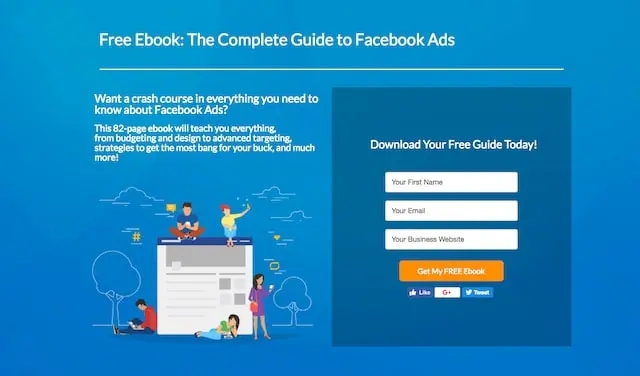
Simply put, a landing page is a single web page (a microsite) that has its own domain. Here, customers can access all important information about a product, such as its design, features, highlights, promotional programs, etc. A unique feature of a landing page is that customers can quickly register or make a purchase with just a single click.
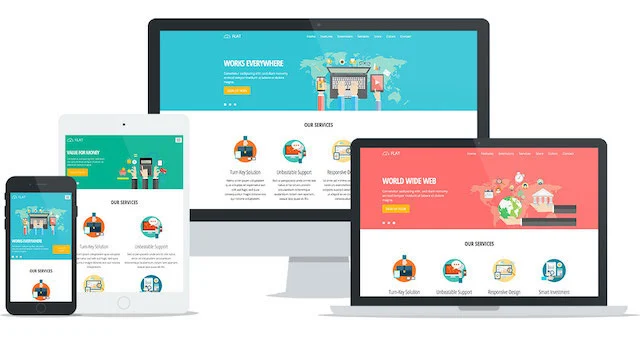
Therefore, in marketing, the conversion rate of landing pages is highly valued in both quantity and quality. A landing page not only acts as a bridge to help customers access the business’s products but also guides them to explore the main website, leading them to actions such as messaging chatbots, calling hotlines, or commenting.
See more products: Buy advertising accounts
2. Common Types of Landing Pages
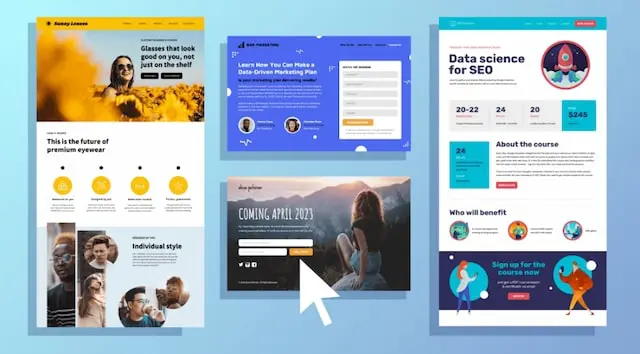
Besides understanding what a landing page is, knowing the different types of landing pages will help you choose the right type based on your sales or marketing goals. In general, most landing pages share a common goal: encouraging customers to take a conversion action. In practice, there are many types of landing pages depending on the product and business objectives, but the two most common are:
-
Sales Landing Pages
-
Lead Generation Landing Pages
Other types include informational landing pages, potential customer data collection landing pages, and conversion landing pages, which can appear in the following forms:
-
Embedded links within website sections, where clicking directs customers straight to the intended landing page.
-
Appearing as a pop-up advertisement or promotion when customers first visit the business’s website. These landing pages often feature updated promotions, vouchers, and discount codes.
-
Standalone web pages with their own domain, providing comprehensive product information. These can include links back to the main business website but primarily aim to sell products or collect customer information.
Thus, before creating a landing page for your business, clearly define your goals to choose the most appropriate type of landing page.
See also: What is a Microsite? Difference between Microsite and Landing Page
3. Frequently Asked Questions about Landing Pages
Besides the basic question “what is a landing page?” here are some other frequently asked questions:
3.1 What should you focus on when designing a landing page?
A landing page is considered effective if it has a user-friendly interface, clear content, necessary information, high traffic, and a high conversion rate. To achieve this, pay attention to:
-
Crafting a clear, attractive landing page title that matches your promotion objectives (e.g., Huge Sale, 50% OFF+++).
-
Designing a user-friendly layout with content aligned to the product and customer needs.
-
Keeping registration/purchase forms simple, asking only for basic information like name, phone number, email address, and location.
-
Using compelling videos and images to create highlights and keep customers engaged.
3.2 How to Create a Landing Page
You can create a landing page for your business using the following methods:
-
Using free websites: Platforms like Ladipage.vn, Wix.com, WordPress.org, Google Sites, etc., offer free landing page creation. However, free plans come with limitations and often require paid upgrades after a certain period.
-
Using paid platforms: Purchase a domain and pay a monthly fee to design and manage a customized landing page. Remember to keep up with payments to avoid losing your page.
-
Self-coding: This allows full customization but requires hiring, training, and paying developers, which can be costly.
-
Creating landing pages via apps: Offered mainly to customers using reputable website design services. These apps allow seamless integration between landing pages and your website, enabling synchronized marketing programs.
4. Differences between a Website and a Landing Page
While landing pages and websites may look similar, they serve different functions. Understanding the distinction will help you succeed in your marketing efforts. Here’s a comparison:
| Comparison | Landing Page | Website |
|---|---|---|
| Main Purpose | Achieve the goal of a marketing campaign by prompting specific actions or conversions. | Introduce the business: Company story, product/service descriptions, SEO optimization, etc. |
| Target Audience | Customized to target a specific audience segment. | Attracts a broader audience, including both existing and new customers. Messaging is more general. |
| Information Flow | Minimal external links. Entire process from learning about the product to registering/purchasing happens on the landing page. | Provides diverse information flows through menus, sidebars, news articles, related links, etc., leading users to eventual conversion pages. |
| Customization | Highly customizable to tailor user experiences, showcase specific promotions, or target segmented markets. | Designed for broader audience engagement, offering less customization compared to landing pages. |
| Conversion Rate | Generally higher, as the sole focus is on increasing conversions. | Lower compared to landing pages. |
| Action Choices | Fewer options, usually directing customers toward a single call-to-action. | Offers more navigation options via tabs, dropdown menus, etc. |
The above information answers what a landing page is, the different types, common questions, and the key differences between a landing page and a website. We hope this will help you find the right direction for your business’s marketing plans.
If you need the most reputable payment method and advertising account provider, you can message the fanpage buybm365.com-Ads to receive advice from HT Media. In addition, you can follow the articles. Latest articles related to our Digital Marketing.