Should run Google or Facebook ads? Which is the best form in 2025?
Recently, many advertisers have approached Google Ads and Facebook Ads from two completely different perspectives. The ongoing competition between these two methods always attracts the attention of many businesses who are considering whether to advertise on Google or Facebook. This presents a significant challenge for businesses as they must decide which platform is most suitable for the scale and direction of their business.
In this guide, we will review the factors that differentiate Google Ads from Facebook Ads, how both advertising platforms work, and why you should consider using both in your comprehensive digital marketing strategy.
Overview of Google Ads and Facebook Ads
1. What is Google Ads?
Google Ads is currently the largest paid advertising platform. This advertising form operates based on keywords and the content of the ads. Advertisers participate in an auction to determine the value of the keywords they want to advertise. When users search for these keywords on Google, their ads will appear on the search results page, alongside organic results.
Google charges advertisers every time a user clicks on their ad, which is why this method is often referred to as pay-per-click (PPC) advertising. With over 3.5 billion searches per day, Google Ads is truly a “development land” where businesses must pay to appear in top positions on the search results page or at more favorable positions compared to competitors. Google continuously updates its algorithms and introduces various forms of advertising to meet users’ needs and understanding.

See more products: Buy advertising accounts
2. What is Facebook Ads?
Facebook Ads is a prime example of paid social media advertising. With over 1.45 billion users, Facebook has become an indispensable social network in most businesses’ digital advertising campaigns.
Unlike Google Ads, which operates based on keywords, paid social media ads help businesses reach customers through their interests and behaviors while using social media. Facebook collects user data from pages (or topics) they like or interact with, friends, age, location, interests, vacations, etc. This information provides valuable insights that help advertisers target the right audience more easily and accurately, allowing them to deliver ads to the most relevant potential customers.
It can be said: Google Ads helps you discover new customers, while Facebook helps you guide new customers to find their way to you.

Comparing Facebook Ads and Google Ads
Before deciding whether to run Google Ads or Facebook Ads, you need to understand how each platform works effectively and your specific goals.
1. Do you want customers to know about you or do you want them to convert on a CTA?
If you want to create brand awareness and expand your customer list, Facebook may be the right choice. However, its effectiveness still depends on your business type. For example, Facebook is generally good for increasing conversion rates for online sales businesses but is only effective for brand awareness for service-based businesses.
2. Targeting specific customer segments
Facebook has the ability to collect vast amounts of data from users, including their name, age, location, and much more. Businesses can use this information to accurately reach their target customers. You can also create custom audiences based on customer interests and interactions, helping you reach potential customers.
3. Increasing quality traffic
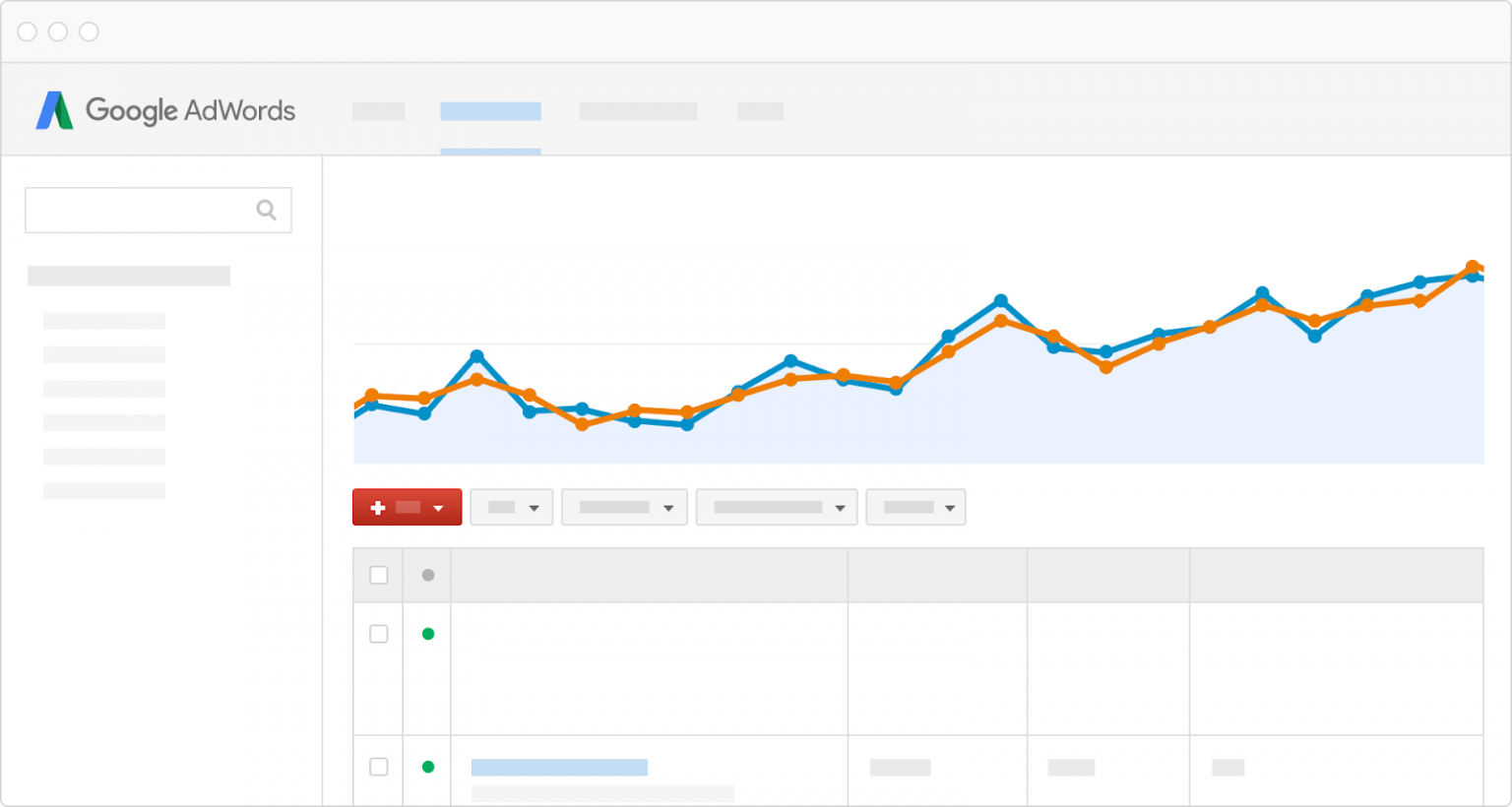
In addition to generating leads, Google Ads is also a great channel to drive quality traffic to your landing page. However, to achieve the best performance from your advertising campaign, you need to ensure that the traffic is relevant and aligns with your business and advertising goals. Important metrics to measure for a successful campaign include:
-
Click-through rate (CTR): This metric affects the Quality Score of your ad, indicating how engaging your ad is to users. Therefore, you need to remove or adjust ads with low CTR.
-
Quality Score: Each keyword is assigned a Quality Score, reflecting the relevance of the landing page to the user’s keyword, which impacts your ad ranking and budget.
-
Conversion rate: This metric shows how many people clicked on your ad and performed a conversion action on the landing page. It is calculated by dividing the total number of conversions by the number of clicks within the same time period.
-
Keywords: You should continuously monitor and review the set of keywords in your Google Ads campaign to ensure you’re targeting the right audience. These keywords need to be closely related to the products and services you offer.
4. Conversion Rate
Unlike Facebook Ads, Google Ads provides a higher conversion rate because Google users are often actively searching for the information or products they need. This helps businesses save time and effort in reaching out to and promoting their products or services.
For example, if you need interior design services, you can search on Google to find companies offering this service, rather than waiting for ads on Facebook.
Paid ads on Google are also effective for service industries, as consumers often search for service providers when they need them. This results in higher conversion rates compared to advertising on Facebook.
See more products: Buy advertising accounts
Factors That Differentiate Google Ads and Facebook Ads
1. Campaign Goals
What do you want to achieve with your advertising campaign? Is it brand awareness, lead generation, sales, or something else? Knowing the answer to this question will help you define the right direction for your campaign.
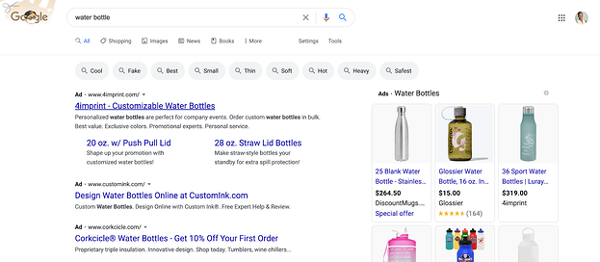
Google Ads is the ideal choice for capturing demand – meaning reaching users with a high intent to purchase. For example, if I’m searching for the keyword “water bottle,” it may indicate that I’m interested in buying one.
On the other hand, Facebook Ads helps you reach consumers earlier in the buying journey (this is suitable for building brand awareness and product recognition).
If you are a new company or if you are selling unique products that may not yet have keywords or search volume suitable for a PPC campaign on Google, Facebook may be a better option initially. However, after customers have seen your ads on social media, they often search for your brand on Google, where both your organic and paid results will appear. Facebook Ads help generate more demand for your brand on search engines.
Therefore, businesses or retailers can use both platforms simultaneously to reach users at every stage of their journey. However, if it doesn’t align with your larger goal, determining the primary goal of your campaign will help you decide which platform is more suitable to achieve that goal.
2. Advertising Budget
For any advertising campaign, your goal is to optimize return on ad spend (ROAS). Achieving this on some platforms may be easier than on others.
With Google Ads, you need to consider the competitiveness of keywords and their value. If the keywords you are targeting have a high cost-per-click (CPC) and a limited budget, then it may not be the best place to invest your resources. Therefore, running ads on Google can help you achieve effective returns and brand recognition, but you need to carefully consider the appropriate budget and allocate or reduce expenses for other marketing campaigns.
3. Stages in the Buyer’s Journey
As mentioned earlier, certain platforms are better suited for specific stages in the buyer’s journey. With Facebook Ads, it’s a social media platform, and most users aren’t actively looking to buy products. However, they use Facebook to explore and share their interests, lives, and work. Therefore, Facebook is a great place for users to discover your brand.
With Google, it is estimated that there are up to 5 billion searches per day. These searches could occur at any stage of the buyer’s journey, but specific search keywords will show high purchase intent.
Should You Use Google Ads or Facebook Ads?
Both Google Ads and Facebook Ads are extremely powerful advertising platforms. They serve nearly every type of business. When evaluating the strengths and potentials of each solution, it’s clear that these two platforms should be considered to complement and support each other rather than compete. As stated earlier, one helps you discover new customers, while the other helps new customers find you. Therefore, rather than trying to answer the question of whether to use Google Ads or Facebook Ads, advertisers should focus on the strengths outlined above to maximize their opportunities for their business on the internet.
1. When to Use Google Ads?
If you’re a new business and want to focus on increasing sales, implementing a campaign to attract potential customers on Google can help you achieve better profits. This doesn’t require a large advertising budget, as Google focuses on improving the user experience.
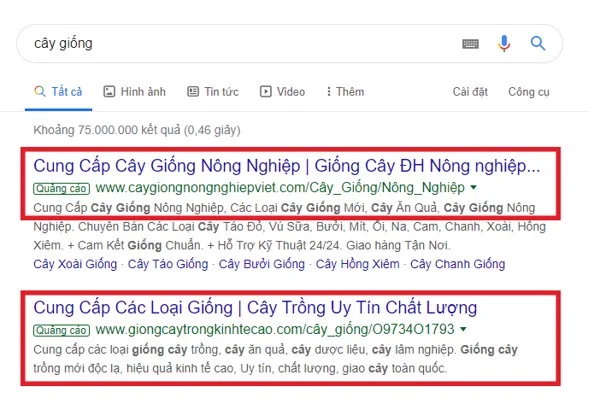
Google always wants to deliver the best messages to their users, so the content you create must reflect this principle. The quality of your ads and website content is a top priority, more important than the budget, and it is a key factor in determining your rank in the Google keyword auction. To ensure your campaign achieves effectiveness and beats competitors, hiring an experienced advertising company specializing in Google Ads is a wise decision.
In conclusion, if you are a new business with a mid-range budget and straightforward goals, Google Ads will be the best choice when asking “should I use Google Ads or Facebook Ads?”
2. When to Use Facebook Ads?
For campaigns focusing on enhancing brand presence on social media, Facebook Ads should play a key role in your marketing plan. Facebook Ads not only provide you with deeper insights into your target audience but also help you build a community that cares about the issues your business is addressing.
One thing that everyone knows and is a crucial factor for business development is word of mouth. No advertising platform has more power in creating communities and generating large numbers of fans for businesses than Facebook.

The returns from Facebook aren’t just measured in cash, but in many other ways. We all know the powerful potential of this platform and its large user base. This makes Facebook one of the leading advertising platforms today that is hard to surpass.
As mentioned earlier, each type of business is suitable for a different advertising approach. The differences stem from the product and target audience of each business.
This explains why a method that works for one business may not work for another. This is particularly true when you assess effectiveness based on real profits.
Summary
So, no advertising platform is superior. Whether to use Google Ads or Facebook Ads depends on the goals and audience of your specific campaign. Therefore, when implementing any advertising campaign, businesses need to clearly understand their advertising goals and consistently track results to avoid wasting time and budget.
If you need the most reputable payment method and advertising account provider, you can message the fanpage buybm365.com-Ads to receive advice from HT Media. In addition, you can follow the articles. Latest articles related to our Digital Marketing.