Learn Facebook algorithm to optimize marketing strategy
Currently, Facebook is the leading social media platform for marketers as well as consumers. It provides one of the best ROIs when it comes to social media advertising. One of the key factors that influence the performance of a Facebook marketing campaign is its algorithm. Any brand present on Facebook doesn’t want to be “eliminated” by this algorithm.
The changes in Facebook’s algorithm don’t always pose challenges for marketers. In this post, let’s explore how Facebook’s algorithm works and the solutions to help your strategy perform well despite these changes.
How does the Facebook algorithm work currently?
The Facebook algorithm controls the arrangement and presentation of posts, aiming to help users see what is most relevant to them.
Instead of publishing content in chronological order, posts and ads are displayed based on what Facebook deems relevant to the user. Every time there’s a change in Facebook’s methodology, marketers tend to worry.
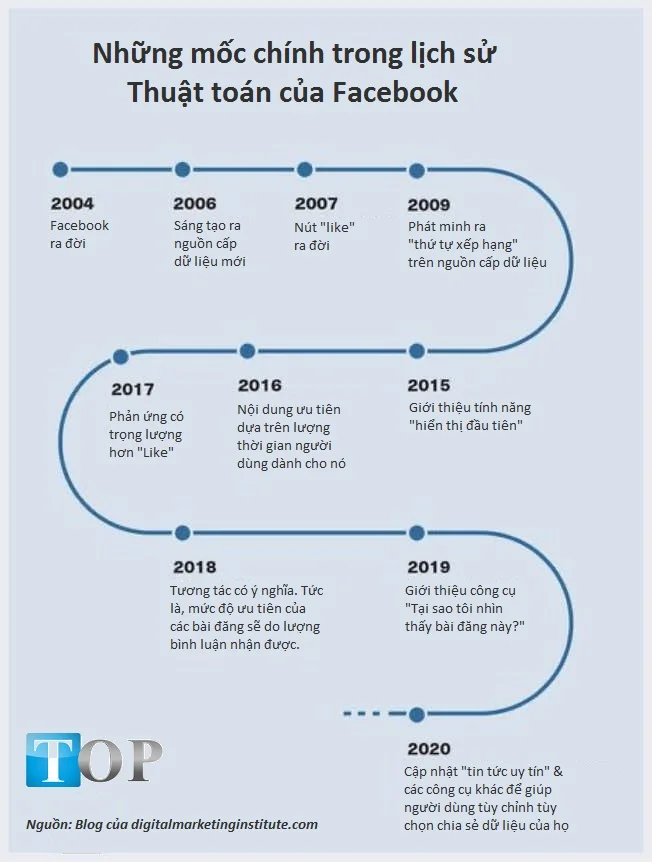
Take the 2018 update as an example. This algorithm was designed to focus on content from friends and family members of individuals, rather than prioritizing spam from businesses. This led many companies and brands to make significant changes in their strategies.
Some significant changes in Facebook
algorithm updates include
The Facebook algorithm is constantly evolving. Here are some recent changes that Facebook has made:
See more products: Buy advertising accounts
1. Introduction of the “Why am I seeing this post?” Tool”
Since March 2019, Facebook has provided users with context about why they see certain posts and non-paid ads. This highlights the importance for brands to refine their audience targeting skills and to encourage engagement from their followers. It also allows users to better understand how the platform curates their feed based on their interests and behaviors, which directly impacts the reach of organic content and advertisements.
2. The Fight Against Misinformation
Facebook’s ongoing battle against fake news and misleading content has been well-documented. In April 2019, the platform made significant efforts to validate authentic content in order to fight misinformation. While this might not directly affect brands, it has had a major impact on them. Trust and transparency on Facebook are critical, and anything deemed controversial or unnecessary spam can quickly lead to warnings or penalties, affecting how content is seen by users.
3. Surveys to Make the News Feed More Personal
Personalization and relevant content continue to be a top priority for Facebook’s algorithm. In May 2019, Facebook announced the widespread use of surveys to gather feedback from users to ensure they are seeing content that is meaningful and relevant to them. This algorithm update encourages brands to prioritize audience interaction more than ever before. Any behavior such as liking, commenting, or reacting has significant value for businesses, as it can lead to better engagement and more personalized content delivery in users’ feeds.
These changes to the Facebook algorithm reflect the platform’s ongoing efforts to improve user experience, trust, and content relevance, making it increasingly important for businesses to stay agile and responsive to evolving trends and feedback.
Note on Emoji Reactions on Facebook:
Interactions through emoji reactions also influence the Facebook algorithm. They provide valuable insights and allow marketers to gauge how customers “feel” about a post. This feedback can even help determine what customers like or dislike. Furthermore, negative reactions enable brands to protect their reputation and address consumer issues, as they provide an opportunity to respond and resolve concerns promptly. This makes emoji reactions not only a form of engagement but also a useful tool for improving customer relationships and refining marketing strategies.
9 Strategies to Help Marketers Adapt to the
Facebook Algorithm
The continuous updates to the Facebook algorithm indicate that change is the only path brands can follow.
One of the main objectives of the new algorithm is to promote more authentic interactions. This means brands will need to create and promote high-quality content. How can they do this? Below are 9 actionable strategies to ensure your brand benefits from the Facebook algorithm.
1. Choose the Best Time to Post on Social Media
The Facebook algorithm prioritizes posts that receive engagement. That’s why timing is crucial.
To maximize interaction, brands should aim to follow a content calendar and publish at the optimal times for social media posting. Anything you can do to increase the chances of getting seen by a larger audience is a plus.
2. Make Video a Central Part of Your Content Strategy
Facebook itself recognizes that video content drives higher user engagement than any other type of content. It’s perfect for starting conversations and grabbing your followers’ attention.
Moreover, you don’t need a large budget to create commercial content. The platform also encourages creators to use Facebook Live to produce engaging content. Live video is a powerful medium for brands today. With so many available options, Facebook is clearly pushing for more visual content, and increasing your video output is essential.
See more products: Buy advertising accounts
3. Encourage Discussions
This is part of the latest Facebook algorithm update. The platform is now penalizing marketers who are seen as trying to game the system.
For example, Facebook has clearly warned against posts that are considered “engagement bait.” These posts, which often ask for comments, tags, or likes, were once a standard. However, Facebook now recognizes that these forms are viewed as spam by users. While you may still come across them in some places, marketers should aim to create authentic conversations.
Facebook wants brands to create content that fosters discussions.
The more you get people talking, the more likely the Facebook algorithm will highlight your organic content. Asking questions in your posts is a smart way to encourage comments. Brands should also aim to post content that sparks debate when appropriate.
4. Encourage Employees and Brand Advocates to Share Your Content
Facebook is prioritizing content from friends and family over businesses.
Encourage your team to share content with their networks on Facebook. This will increase your reach. Since posts from friends and family are more likely to be seen, they are 16 times more likely to be read. Even if your brand page has a significantly higher following than your employees, this is still valuable.
5. Prioritize Images and Hashtags Over External Links
Facebook prefers brands to keep content on their platform rather than adding links to external websites.
In fact, Facebook often reduces the reach of posts with links and favors organic content, especially video.
Keep your feed fresh with a variety of content types. Every post should include some form of imagery, whether it’s an infographic, gif, etc. You should also enhance your description with hashtags or links to other pages. Both can help extend your reach even further.
6. Make Each Post Unique on Facebook
Brands often post content day in and day out, so at some point, they may run out of content ideas. This leads to repeating the same content or not fully leveraging content by posting it only once.
The solution to this?
Start by creating unique descriptions for each post. This introduces your content to followers without repetition. If you’ve used a quote for the first time, you could switch things up with a hashtag or a question for the second or third time. Another strategy is to repurpose older content in your feed without repeating yourself. This can be done by repositioning the content.
7. Start Conversations in Facebook Groups
Many marketers are turning to Facebook Groups. Followers essentially “choose to join” a group and engage in discussions within it. Customers who join your group are considered to be more likely to interact with your brand’s content.
For marketers who want to focus on problem-solving and educating their community, Groups can be more suitable than Pages.
8. Narrow Your Target Audience
The beauty of Facebook lies in its ability to engage an audience. If you have a large audience, consider narrowing your target based on interests or geographic location. Facebook gives you the option to set these parameters for each post. Initially, it may narrow the reach, but the results can increase engagement. Think of this as fine-tuning your content to appeal to specific fans.
9. Invest in Facebook Ads
Brands should definitely focus on improving their organic reach. However, the power of Facebook Ads cannot be denied.
Facebook Ads deliver exceptional ROI, with 93% of marketers who participate in it reporting success. It combines targeting with a wide variety of creative options. Facebook Ads offer marketers freedom unlike any other advertising platform.
Of course, some ad types noted by Facebook perform extremely well with a low CPC (Cost Per Click).
Combining your organic efforts with Facebook Ads can bring you the best benefits. Experimenting with ads now is a smart long-term strategy.
If you need the most reputable payment method and advertising account provider, you can message the fanpage buybm365.com-Ads to receive advice from HT Media. In addition, you can follow the articles. Latest articles related to our Digital Marketing.