How to Write Facebook Ads That Drive Conversions – The Structure and Formulas for the Most Effective Content Writing

I – What Are the Benefits of Writing Facebook Ads? Principles for Writing Effective Facebook Ad Content
1. Benefits of Facebook Ad Content
Building Brand Credibility
Statistics from sample ad campaigns show that well-crafted content can reach over 1 million potential customers annually, with around 25% of them clicking on the ad.
Thus, if you focus on creating valuable Facebook ad content, 250,000 people will view your brand as a reliable source of information each year. Many of these individuals will eventually become your customers over time.
Encouraging Users to Take Action
If your ad content is compelling enough, your target audience is more likely to respond to your call-to-action. Facebook Ads content brings users one step closer to making a purchase, helps build relationships, and encourages them to explore and use your products or services instead of those of your competitors.
Boosting Sales
Most customers won’t be ready to make a purchase the first time they hear about your business. However, if your ad content aligns with the customer journey, you’ll have the chance to turn Facebook users into potential buyers.
II – Types of Facebook Ads Content and Effective Formulas
To create engaging Facebook ads that motivate readers to take action, you need to choose the right content type that matches the nature of your product or industry. Below are 5 popular and effective Facebook ad content types from 2021 that you can refer to!
1. Product/Collection Introduction
Write ads that refer to seasonal product categories, industry-based offerings, or target age groups and trends. The goal is to target a specific group of people, allowing customers to browse and choose from different product designs.
AIDA Model:
- Attention: Capture the reader’s attention with a compelling headline.
- Interest: Provide interesting and useful information.
- Desire: Describe the benefits of the product to spark the customer’s desire.
- Action: Include a call-to-action.
2. Storytelling
Leverage feedback or testimonials from customers who have used your products or services to craft relatable stories. This makes the narrative feel more authentic and personal.
To engage readers, you can use dialogue, casual language, humorous or intriguing scenarios related to the product, and add unexpected twists to capture their interest.
3S Formula:
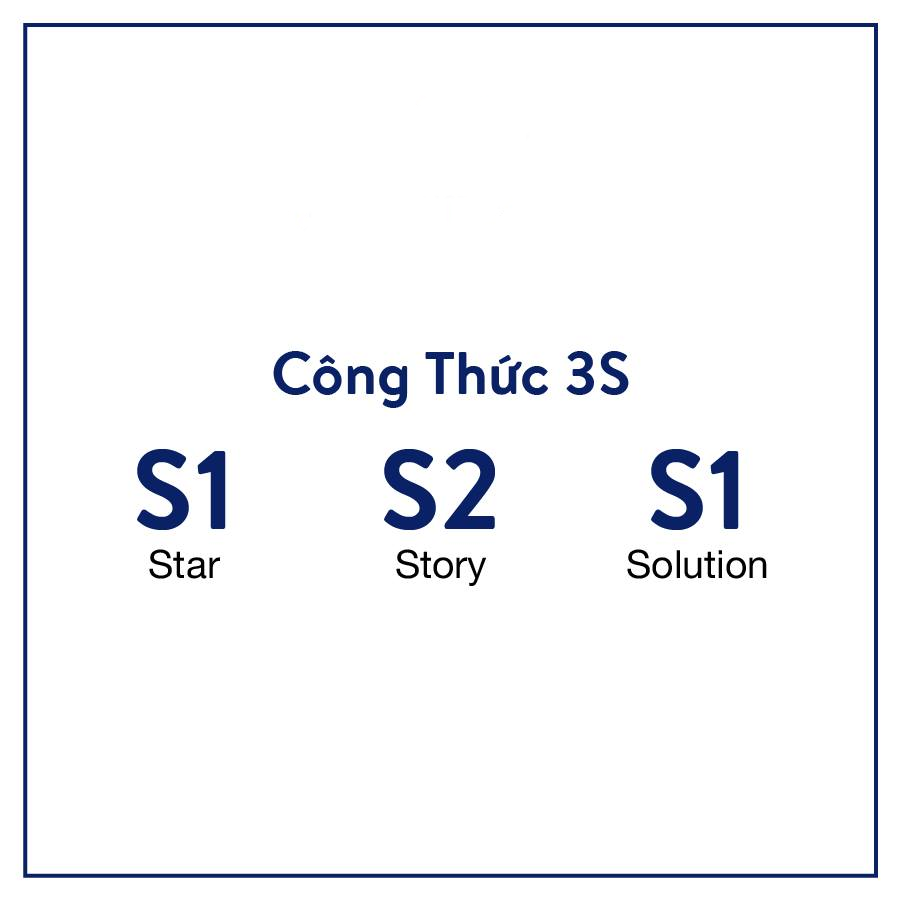
See more products: Buy advertising accounts
3. Product Reviews / Testimonials
Instead of listing all the product specifications or benefits, focus on the most significant advantage. You can refer to how live-stream reviews or unboxing-style ads are written.
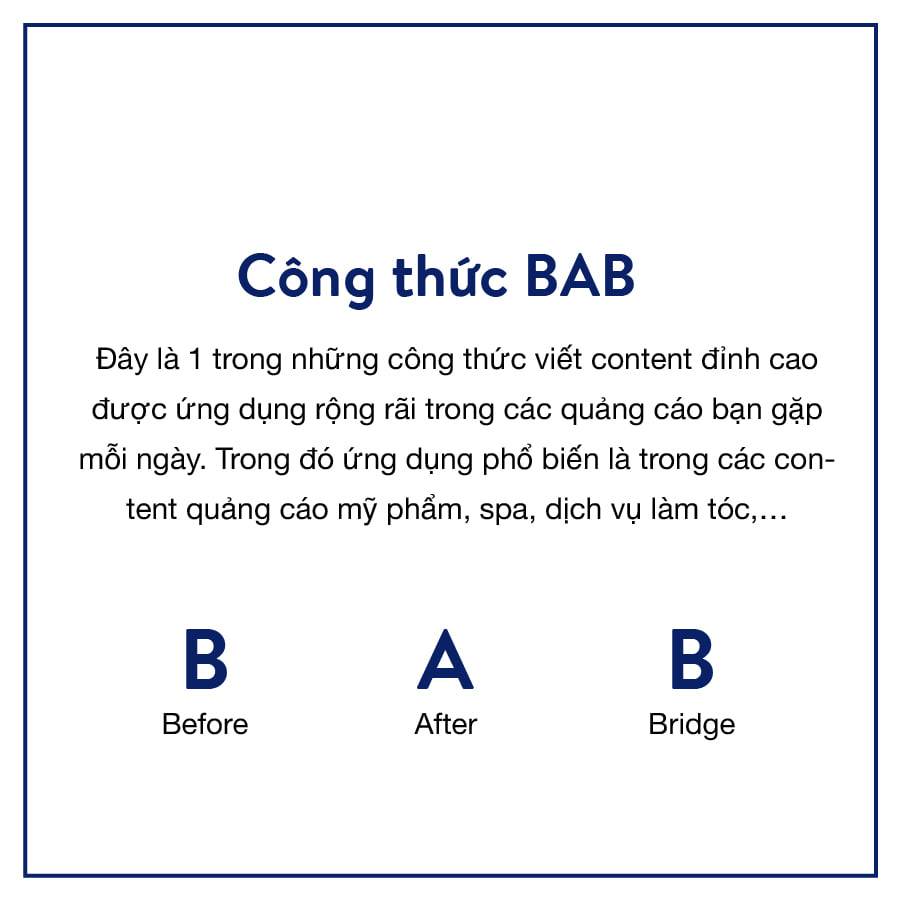
BAB Formula
See more products: Buy advertising accounts
BAB Review/Testimonial Formula:
- Before: Describe the customer’s situation or problem before using the product or service.
- After: Highlight the positive changes or outcomes the customer experienced after using the product or service.
- Bridge: The bridge between Before and After is the product or service itself. Emphasize the benefits and results that your product or service has brought to the customer.
4P Formula

See more products: Buy advertising accounts
4. Present the Problem – Sell the Solution
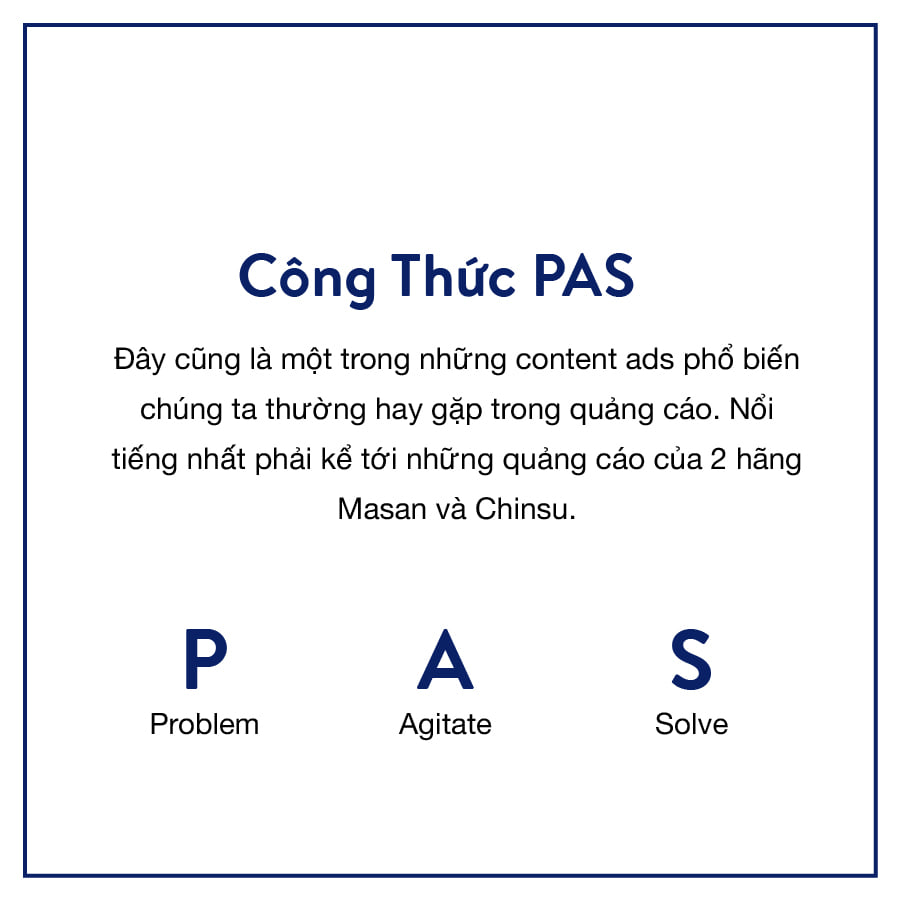
This is one of the most popular types of Facebook ad content. The tone of voice is professional and focused on identifying a pain point or problem that your audience faces. Then, you offer your product or service as the solution to that problem.
FAS Formula
See more products: Buy advertising accounts
5. Product Comparison
Comparing and analyzing the strengths and weaknesses of two or more products you offer is a great way to write compelling ads. This allows you to give advice to the user, helping them choose the product that suits their needs.
III – Steps to Write Facebook Ads
1. Things to Keep in Mind Before Writing Facebook Ads
- Goal of the Ad: Not all businesses are at the same stage of their online marketing journey. This means you’ll create ads based on the customer journey—how familiar your audience is with you (awareness, consideration, or conversion stage).
- Target Audience: Most of the best-performing ads on Facebook are personalized and use content that addresses the specific problems faced by the audience, offering the solutions your product provides.
To define your customer persona, use the 5W2H approach:
- Who? Who are they? Demographic information? Who directly/indirectly influences their purchasing decision?
- What? What do they want from the product? What triggers or barriers exist for purchasing? What do they like about the product (features, packaging, price, etc.)?
- Why? Why are they buying?
- Where? Where do they purchase or use the product (online/offline)?
- When? When do they have the need to purchase? When do they search for product information?
- How? How do they buy? Payment methods?
- How much/How many? How much are they willing to spend? How many products are they likely to buy?
What Value Does the Customer Get?
To find out the benefits of a product— the core of an ad—the ad writer needs to answer this question: What will the user gain from your product or service?
- 5-Foot Benefits: Immediate benefits that users get right after taking action.
- 5-Mile Benefits: Long-term, life-changing benefits that take time to realize.
Ad Format and Placement
Consider the format and placement of your ad to optimize headline and text content.
Idea Generation for Content
Choose a specific target audience, identify their biggest problem, and build content around their needs.
From the problem they care about, emphasize this in your ad content, whether it’s the offer, price, features, or warranty.
Focus on the 3 Key Elements for Creating a Successful Facebook Ad
 See more products: Buy advertising accounts
The 3 Key Elements of a Successful Facebook Ad
Focusing on three main elements is an effective way to advertise a post on your Facebook fanpage. These elements contribute to 90% of user actions.
- Headline
- First 5 lines
- Images/Videos
2. Facebook Ad Headline Writing Principles
- Clear and concise: If your headline is too long or vague, people will lose interest and may not pay attention.
- Customized: Make the headline personal and attractive for the specific audience.
- Curiosity-inducing: A headline that sparks curiosity is highly effective and encourages the target audience to read more.
- Creative: Avoid using generic headlines. Make sure your headline is unique and relevant to trends, but don’t rely too much on them.
12 Simple yet Effective Headline Types
- Emphasizing FOMO (Fear Of Missing Out): People fear missing out on experiences or opportunities. Use this to create urgency in your ad copy.
- Using Exclamatory Words: Words like “Now,” “Best,” “Latest,” or “Unexpected results” work across most industries.
- Reason (Why): Offer reasons or benefits for taking action.
- How-to: This type of headline addresses the reader’s problem and offers a helpful solution.
- Question: Research shows that question headlines receive 150% more clicks than statements.
- Call to Action (CTA): Make your entire headline a direct command, urging users to take action (e.g., “Contact now for a free consultation”).
- Information: Keep it simple and straightforward by sharing the information offered in the post.
- Testimonial: Positive reviews or customer feedback can build trust.
- Urgency and Scarcity: Using urgency (“Limited time offer!”) can prompt quicker decision-making.
- Citing a Study: Quoting studies or statistics makes your ad feel more trustworthy.
- Using Numbers: Numbers in headlines often correlate positively with customer interest (e.g., “Save $1000 on marketing costs”).
- Offer + Benefit: Highlight an offer and explain how it benefits the reader.
3. Content of Facebook Ads
Content Writing Principles
- Grab attention: The first few words must capture interest.
- Deliver the message clearly: Make sure your ad message is communicated effectively.
- Be persuasive: Persuade the audience to take action.
Effective Ad Content Structure
- Lead: Present the customer problem or questions that need answering. Briefly analyze the causes and offer your solution (product/service).
- Description: Detail the product or service you’re offering—what is it, where is it from, what are its key benefits?
- Price: Disclose the price or offer discounts. If your pricing is competitive, highlight it as an advantage.
- Features: What makes your product unique? What technical specifications or benefits does it have?
- Unique Selling Proposition (USP): Show how your product stands out from the competition.
- Commitment: Give customers confidence in your product by committing to quality, warranties, or delivery promises.
- Call to Action (CTA): Use CTAs like “Learn More,” “Sign Up,” or “Shop Now” to prompt action.
- Contact Info: Ensure easy access to contact details or ordering methods (e.g., website, hotline, direct message links).
4. Matching Ad Copy with Image
Images play a crucial role in Facebook ad performance, contributing to 75-90% of an ad’s success. Ensure that images are of high quality, fit the standard size, and are clear and relevant. Include essential text sparingly, and place it in a way that doesn’t clutter the visual.
5. Review Your Facebook Ad Post
- Audience fit: Is the ad targeting the right audience?
- 5-second test: Does your ad grab attention within the first 5 seconds?
- Negative tone: Is the language overly negative or painful, especially when addressing user problems?
- Alternative ad copies: Try experimenting with different writing styles and test multiple ad versions.
IV. 12 Advanced Tips for Writing Engaging Facebook Ads
- Focus on effectiveness and value—avoid simply describing your product.
- Prioritize the first 200 characters of the ad.
- Use the customer’s language and keep content simple.
- Tell a compelling story.
- Include reliable data.
- Use parentheses effectively.
- Ask questions to engage the reader.
- Use appropriate icons.
- Focus on specific benefits and solutions.
- Be clear about pricing.
- Use hashtags judiciously.
- Avoid Facebook policy violations in terminology.
- Experiment with different sentence structures.
The overall goal of an ad is to engage the audience and prompt them to take action, depending on where they are in their customer journey. Before writing an ad, clearly define your target audience and the message you want to convey, ensuring it aligns with their stage in the sales funnel.
If you need the most reputable payment method and advertising account provider, you can message the fanpage buybm365.com-Ads to receive advice from HT Media. In addition, you can follow the articles. Latest articles related to our Digital Marketing.