Some studies show that up to 81% of customers search for restaurants on mobile apps and 92% search through web browsers in the past six months; 84% of them tend to look for information about a restaurant before deciding to dine there. Therefore, investing in improving a restaurant’s website for better visibility is an effective way to increase sales revenue.
So, how can restaurants reach customers who are looking for a suitable place to dine? Below are 5 ways to optimize online visibility and boost restaurant revenue.
Optimize restaurant search by location
Over 82% of customers use location-based search? In fact, location-based queries account for nearly 1/3 of all searches on Google. When customers want to find a place to eat with friends, they tend to search for restaurants near where they live.

At a more detailed level, customers search for restaurants based on location, quality, and type. They tend to look for eateries with something special, but within an area they can easily access. Some of the most popular search keywords are “restaurants near me” or “best restaurants in [city].”
Therefore, designing the restaurant website interface to align with customer search habits is quite important for restaurants. Developing the restaurant’s brand is still a major goal, but the more urgent task is converting website visitors into actual revenue.
Thus, restaurants can consider adjusting the dishes shown on their website to match the needs of customers in specific areas. For example, if your website is positioned as a vegetarian restaurant, you can optimize searches such as “vegetarian restaurant near me,” “vegetarian restaurant in Saigon,” “vegetarian restaurant in district %,” or “vegetarian restaurant in downtown.” These keyword sets not only attract customers from areas that are not nearby but also appeal to those who may visit in the future.
In fact, the simplest way to promote a restaurant is by knowing exactly what you serve and where you are located, and then sharing that information accurately. Google’s algorithm is designed to optimize this. Also, don’t forget to check-in your restaurant’s address on Google+, Facebook, Zalo, Foody, etc., to increase visibility to customers.
See more products: Buy advertising accounts
Utilize free and paid online review channels
Appearing on online review platforms is highly valued by Google. Below are some reputable food review platforms in this field.
Some free online review platforms:
Some paid online review platforms (less common in Vietnam):
-
OpenTable
-
AirBnb (owned by Rezy)
-
Rezy
-
Grubhub
-
DoorDash
-
Seamless
-
UberEats
-
Postmates
Most of these platforms are integrated with Google’s location services and optimized with search keywords like “restaurant in the area” or “restaurant near me.” Restaurants just need to regularly monitor and read customer reviews. Many of these platforms also include paid ratings. This list is designed for restaurants that subscribe to their services and also optimize keywords like “food delivery near me.”
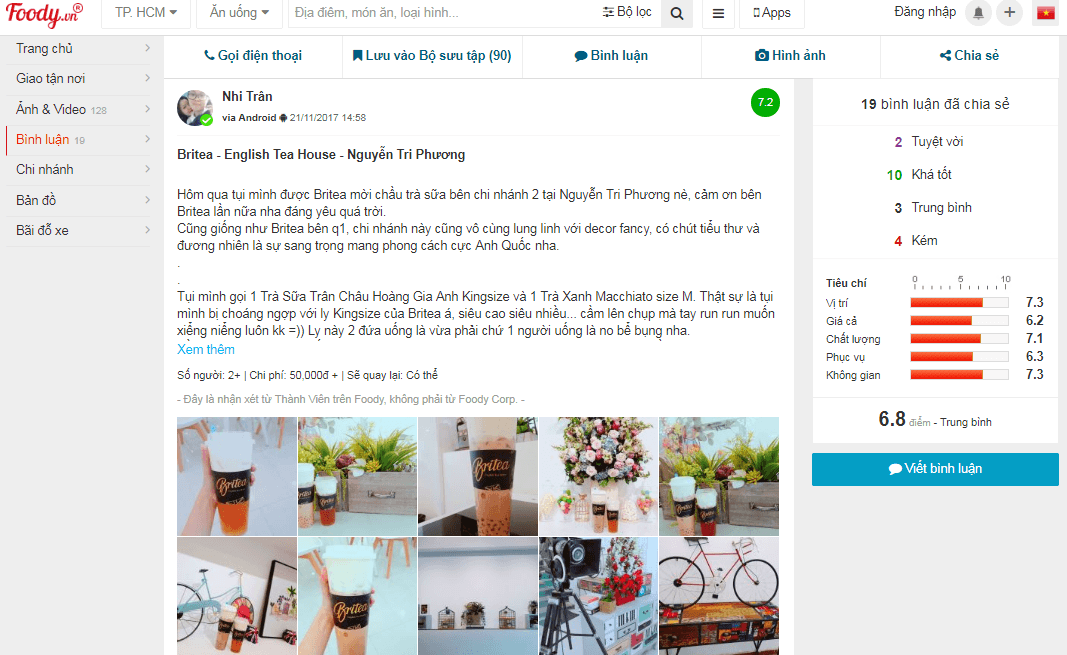
Actively managing these platforms and responding to customer reviews as quickly as possible will help. Additionally, taking control of these channels allows restaurants to frequently update information such as opening hours or menu changes.
It may take time and effort to check each platform and each review, but it is a worthwhile investment.
Leverage positive feedback for marketing
Positive feedback is extremely valuable to restaurants, especially as it has a growing influence on younger audiences. There is no more effective marketing tool than sincere positive feedback from customers themselves.
According to statistics, 88% of users trust online reviews and share them with their friends, while 92% say they trust this information more than traditional advertising. Reviews authentically reflect the feelings of customers who have experienced the service.
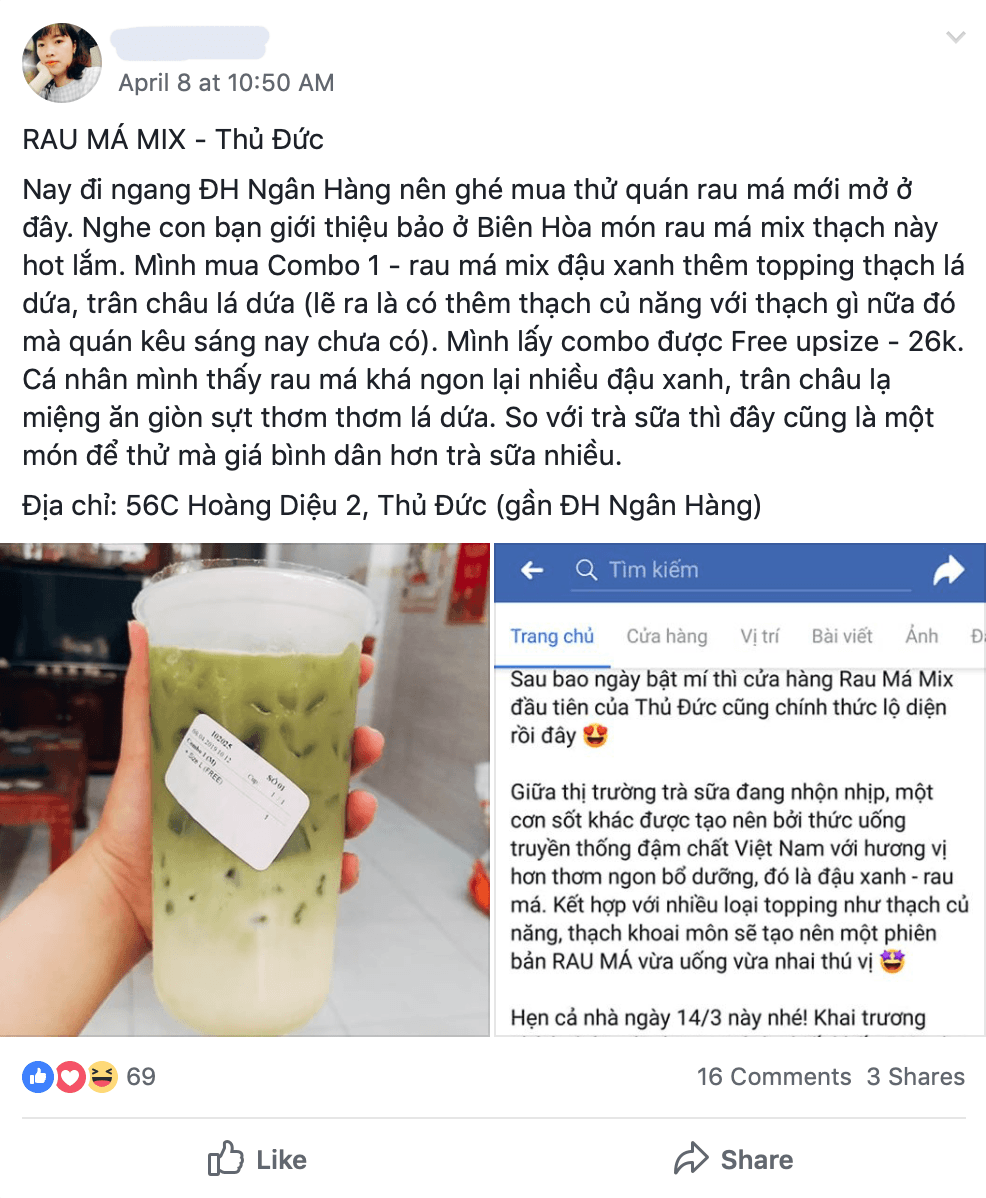
Platforms like Google, Facebook, and Foody are increasingly supporting review feedback and demonstrating their power in search results. However, this is a process that takes time.
You can display these reviews on platforms like Facebook or Google to encourage users. Additionally, building features that allow customers to write reviews directly on your website is also a good idea. Google’s algorithm can measure these reviews and increase the restaurant’s reach to quality customers.
Moreover, customer reviews also serve as a tool for restaurants to identify positive or negative points. Many tools are now supporting the integration of customer feedback directly on ordering apps and customer service platforms.
Create a Dedicated Menu Page
A survey by OpenTable shows that 93% of users search for restaurant menus before deciding to visit. Designing a dedicated menu page is not difficult but can yield remarkable results. Restaurant owners should also focus on creating an appealing menu interface to encourage customers to make quick decisions. Additionally, regularly updating the menu and naming dishes with relevant keywords also helps increase visibility in search results.

Don’t just upload a PDF menu to your website. Google has a “bot” that reads the frequency of keywords on web pages. When it finds related keywords on a page, Google recognizes the page as containing relevant information for customer searches. This is one of the most accurate and straightforward ways to improve search rankings.
If your content is in a PDF file, the menu should be encoded on the website. This allows your site to display when customers search for related keywords.
Before posting this content, make sure to review it thoroughly to ensure the information is clear and easy to understand. Add plenty of relevant keywords and images. Convey the “deliciousness” of your dishes through the website because, as you know, the term “food porn” exists for a reason. Moreover, including images in menus increases user selection by 53% compared to vague, unsupported information found on the internet.
See more products: Buy advertising accounts
Build an Investment-Based SEO Strategy
Develop a List of Target Keywords
When exploring SEO for restaurants, you may find many ways to improve a restaurant’s website search results. One of those ways is to identify and optimize appropriate keywords, including both primary keywords and keyword phrases.
Primary keywords usually contain one or two words that users most commonly search for on Google.
For example, in the F&B industry, keywords might include “restaurant,” “restaurant delivery,” “Italian restaurant,” or “Chinese restaurant.” These base keywords can be expanded with related searches. These keywords are typically used by customers who have no specific plans when searching and are just looking broadly.
However, that alone is not enough for your website to rank at the top of search results. Simply put, these types of keywords are ubiquitous on the web, with nearly every restaurant SEO-ing these terms. While these keywords won’t push you to the top spots, they still need to be used. As your website becomes more refined, Google’s “bot” will recognize this as the main content of your site and will optimize its display for more accurate targeting.
Long-tail keyword phrases typically consist of three or more words and tend to be more specific. These are the keywords that will help your website stand out from similar sites. Some examples of long-tail keyword phrases include “chicken tikka masala” or “restaurant open now” or simply the name of your restaurant.
Over time, you will need to develop more long-tail keywords to improve your website’s online visibility. Additionally, long-tail keywords also help identify your target customer group, such as “budget vegetarian restaurant.”
Add Schema to Your Website
Once your website content is complete and its ranking in search results has improved, you can delve deeper into technical changes.
One technique you can use to improve visibility in search results is adding Schema to your website.
Schema is a code added to a website that helps search engines easily recognize, categorize, and return results faster and more accurately. Without Schema, a website contains information without context.
Schema is often already added to your website if you use third-party tools. If not, adding Schema manually is an effective way to enhance the site’s functionality.
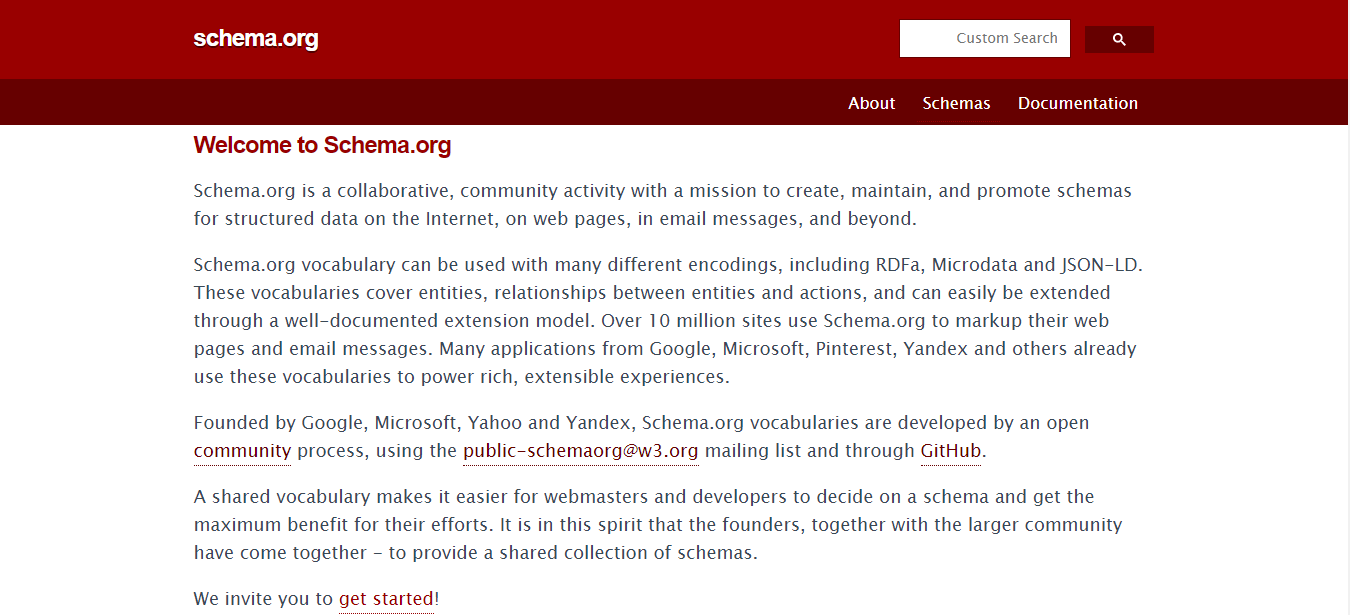
It might sound complex, but the process is relatively simple. If you want to do it yourself, you can visit Schema.org and follow the instructions. It may take a little time, but it’s not that complicated. Alternatively, you can use Google’s Structured Data Markup Helper, a free tool that helps you create Schema. Of course, relying on third-party services is also a good option.
One piece of advice is that Schema is especially useful for user reviews, helping to increase the visibility of reviews. This is valuable content that Google uses to assess rankings.
If you need the most reputable payment method and advertising account provider, you can message the fanpage buybm365.com-Ads to receive advice from HT Media. In addition, you can follow the articles. Latest articles related to our Digital Marketing.