10 Google Algorithms You Must Understand to Increase Rankings
Google is currently the smartest search engine, but it continues to improve its algorithms for development. An SEO professional who wants to achieve good results must understand Google’s algorithms. This knowledge helps avoid mistakes and follow Google’s principles, ensuring that the SEO process is as effective as possible. In this article, we will discuss the core algorithms that every SEO practitioner should know when optimizing a website..
1. What is Google’s Algorithm?
1.1 Concept
Google’s algorithm is a common term for SEO professionals when optimizing a website. To better understand it, you need to grasp the concept of “algorithm” before analyzing the details. An algorithm is a finite set of clear instructions that solve a problem.

Simply put, Google’s algorithm is a set of algorithms and strict rules that help Google process data. The way the algorithm works ensures that Google selects results and ranks search results on websites.
1.2 Input and Output
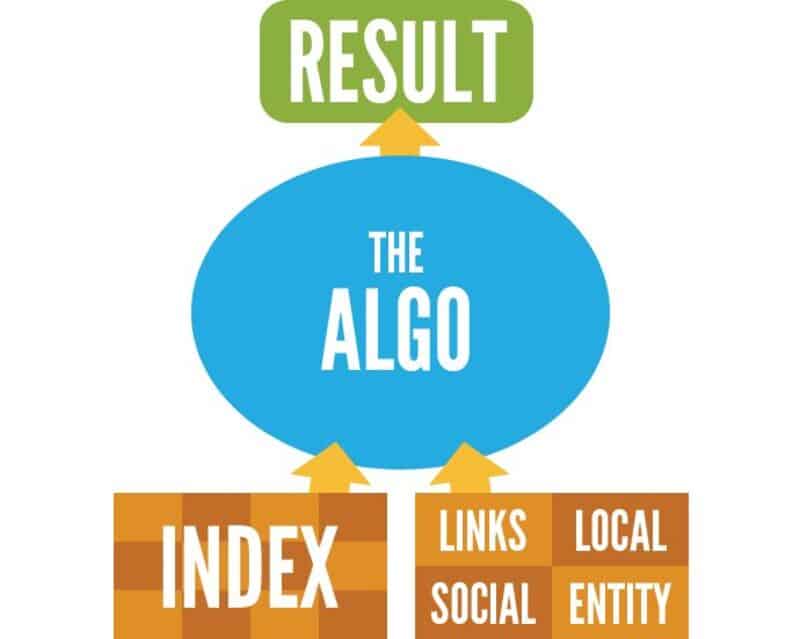
When searching, the most basic input is the Google Index, and the output is the search engine results page (SERP). People often think of a website’s information as input, while search results are the output. In reality, the process by which Google collects data and returns results when users search is quite complex.
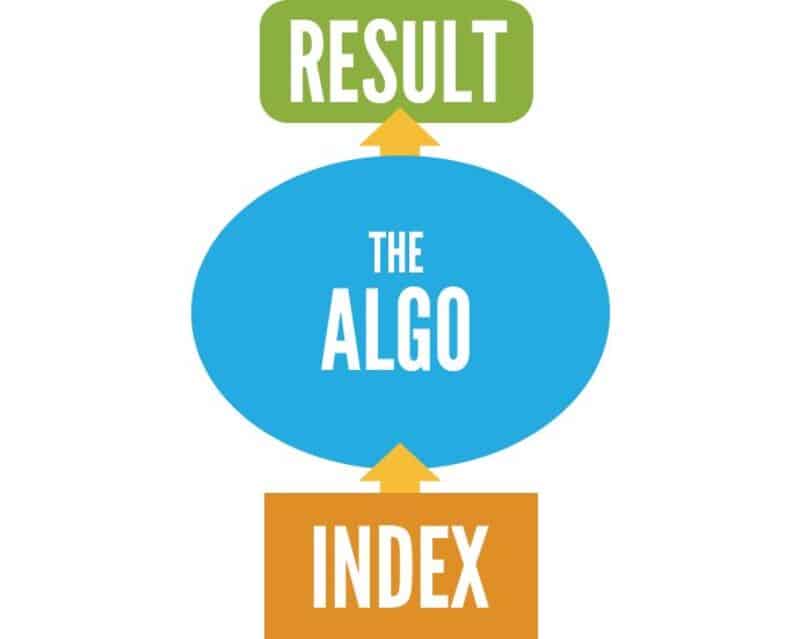
The Index is called Google’s index and is a collection of information sorted alphabetically. Similarly, Google Index is the process of categorizing and organizing data from websites. Local data, social networks, and other data sets are part of Google’s databases.
1.3 Ranking and Relevance
For a website to rank high on search pages, SEO professionals must optimize SEO according to Google’s search algorithm. To do this, you need to focus on two basic steps: relevance and ranking. These are fundamental principles that help your website get evaluated and ranked highly.
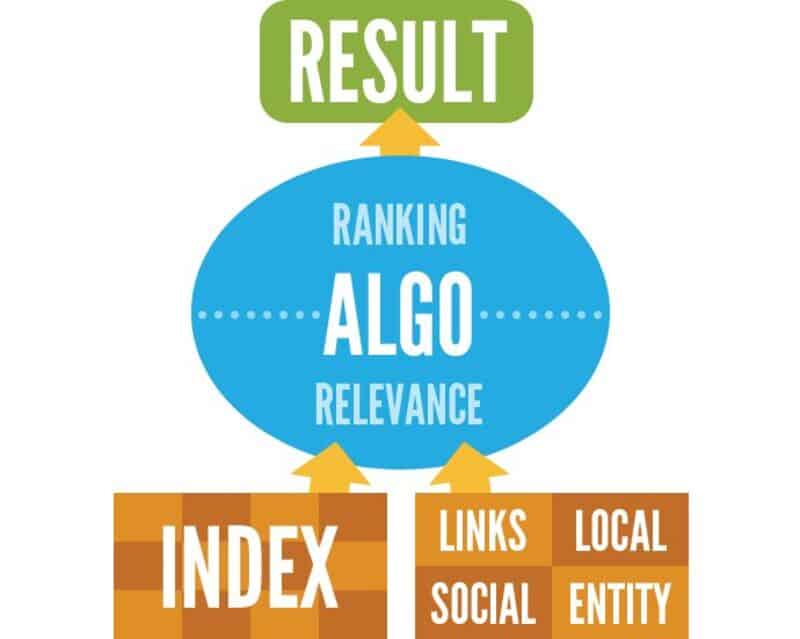
In the first step, Google selects pages that contain content relevant to the search results and ranks them in order. Second, ranking is a necessary condition for the algorithm’s operation. A website’s ranking, whether high or low, depends on Google’s ranking criteria.
See more products: Buy advertising accounts
1.4 Penalties and Disavow
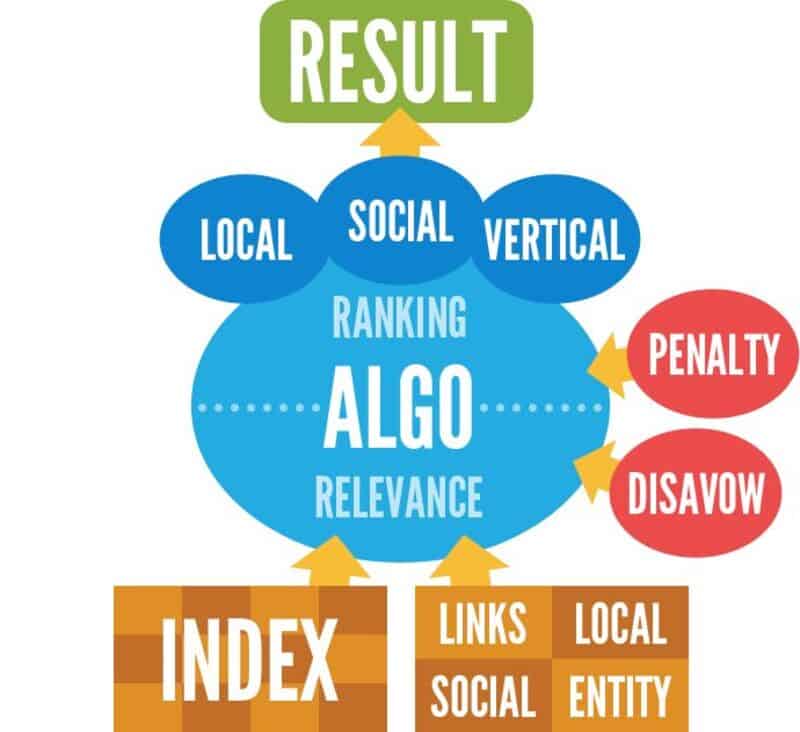
As an SEO professional, you must follow Google’s guidelines for website management. For example, Google applies manual penalties to low-quality websites. To avoid penalties from Google, you can check your website through Google Webmaster Tools.
2. Why Do You Need to Understand Google’s Algorithm in SEO?
2.1 Google’s Algorithm for SEO
For SEO professionals, it is essential to continuously update information related to SEO algorithms. Every 2 to 3 months, Google’s algorithm changes frequently, often introducing new penalties. Understanding the rules of the algorithm will help you run your website effectively and provide the best experience for your customers.

In some cases, many “black-hat” SEOs still use tricks to avoid penalties from Google and improve rankings. Keyword abuse by SEO professionals will affect a website’s ranking. However, since the algorithm is continuously updated, instead of trying to “game the system,” you should study the algorithm carefully to avoid serious penalties from Google.
2.2 Google’s Algorithm in Search
For content creators, understanding the operating principles of a search engine makes their work smoother. Google is the primary search engine used to retrieve data from search queries. Google’s search algorithm is one of the algorithms that helps users find keywords quickly and accurately.
Google’s search algorithm is continuously upgraded based on user needs. Depending on various factors, Google provides search results that match individual desires. If you understand Google’s search engine principles, your SEO efforts will achieve the highest quality results.
3. 10 Core Google Algorithms You Must Know for SEO
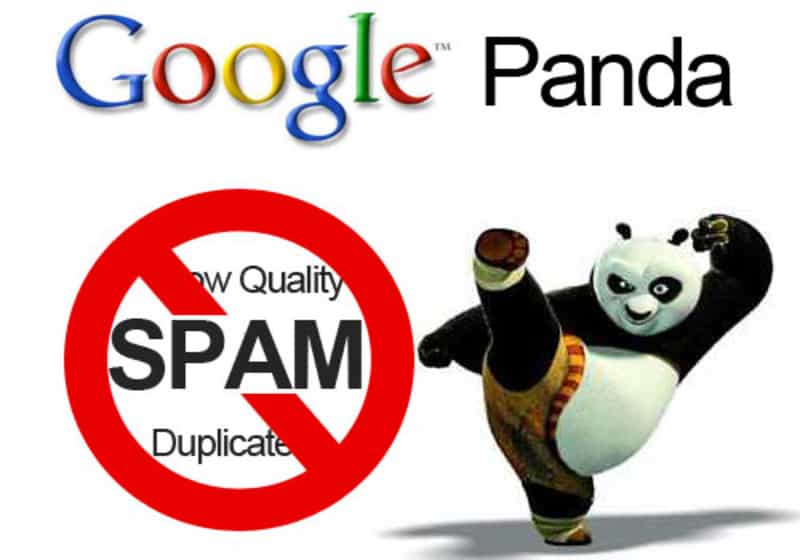
3.1 Google Panda Algorithm
Launch Date: February 24, 2011
How It Works: A content filter designed to ensure quality and increase website traffic.
How to Adjust: Regularly check your website for duplicate content, thin content, and keyword stuffing.
To avoid violations when using Google Panda, pay attention to the following SEO mistakes and ensure that the content is up to standard quality:
-
Thin content and duplicate content from other pages.
-
Keyword stuffing.
-
Excessive ads.
-
Unreliable sources.
-
Poor user experience.
3.2 Google Hummingbird Algorithm
Launch Date: August 22, 2013
How It Works: The Hummingbird algorithm helps Google better interpret search queries and provide results that match the user’s intent. This algorithm enhances the user experience and builds credibility for your website.
How to Adjust: Expand your keyword research and focus on the concepts behind the keywords. Carefully analyze related searches, synonyms, and co-occurring terms.
Some tips for using the Hummingbird algorithm effectively:
-
High-quality content.
-
Clear website structure.
-
Easy-to-understand keywords.
-
SEO-optimized images.
-
Diversify keywords on your website.
- Create content that is aligned with your target audience and a clear topic.

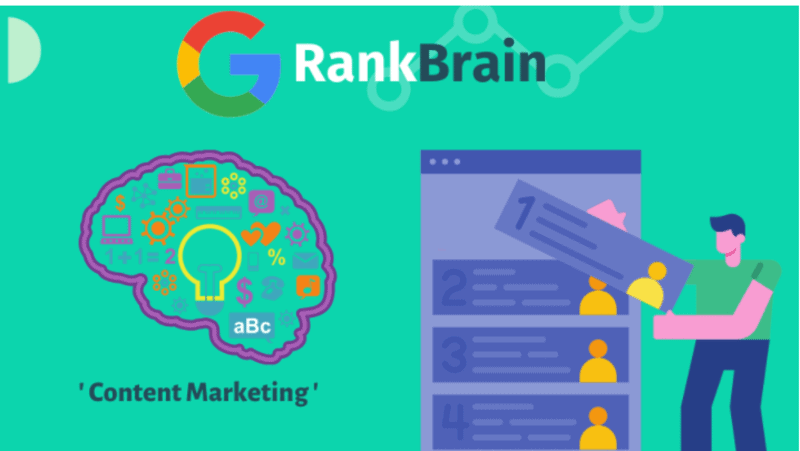
3.3 Google RankBrain Algorithm
Launch Date: October 26, 2015
How It Works: RankBrain processes and improves search query results based on user intent.
How to Adjust: This search algorithm improves web page rankings and delivers the best and fastest search results to users.
Content marketers should be aware of the following RankBrain-related issues:
-
Irrelevant content.
-
Poor user experience quality.
3.4 Google Penguin Algorithm
Launch Date: April 24, 2012
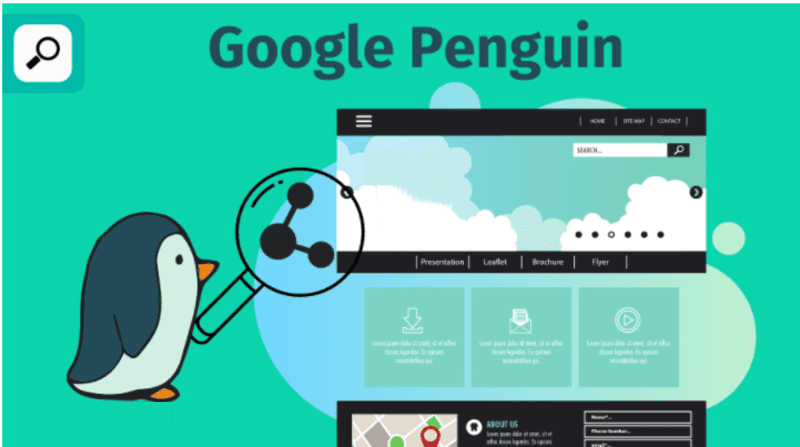
How It Works: Google Penguin reduces the rankings of websites with unnatural backlinks, helping to assess low-quality content.
How to Adjust: Penguin typically penalizes spammy links and “black-hat” SEO tactics. Updates to Penguin are considered part of Google’s core algorithm.
Penguin primarily targets link spam, automation tactics, or poor-quality links. Pay attention to the following to avoid Google penalties when using this algorithm:
-
Backlinks containing inappropriate content.
-
Overuse of anchor text.
-
Low-quality linking pages.
See more products: Buy advertising accounts
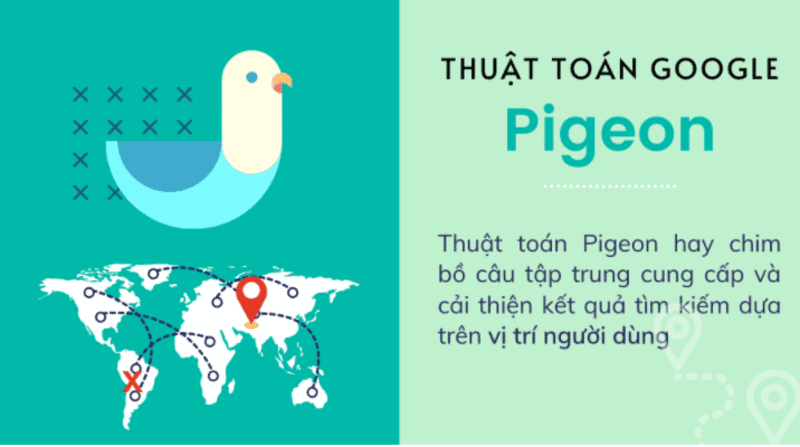
3.5 Google Pigeon Algorithm
Also known as the “Pigeon” algorithm.
Launch Date: December 22, 2014
How It Works: The Google Pigeon algorithm has a significant impact on local search results. Its goal is to return accurate results related to the user’s geographic location.
How to Adjust: This search algorithm focuses on ranking parameters based on proximity and location.
Important factors and tips when using the Pigeon algorithm:
-
Relevance.
-
Proximity and reputation.
-
Poor optimization can result in penalties.
-
Website lacking citations and clear contact information.
3.6 Mobile-Friendly Algorithm
Launch Date: April 21, 2015
How It Works: This algorithm helps users evaluate how mobile-friendly a website is on mobile devices.
How to Adjust: Optimize your pages for mobile search, focusing on speed and usability. Consider:
-
Large, readable fonts.
-
Simple interface.
-
Adequate image usage.

3.7 Google Fred Algorithm
Launch Date: March 8, 2017
How It Works: The Fred algorithm aims to filter out websites that profit from ads and links that don’t provide value to users. Most sites targeted by Google Fred are those with high amounts of advertising content.
How to Adjust: Websites providing unhelpful information and making money through ads on such content will be heavily penalized according to the algorithm’s rules. Here are some errors to avoid:
-
Incomplete content.
-
Excessive advertising.
3.8 Google Possum Algorithm
Launch Date: September 1, 2016
How It Works: Google Possum is one of the most important SEO algorithms. It filters out search results that are near the user’s area and is used in local SEO techniques.
How to Adjust: Businesses must implement the correct categories to avoid penalties from the algorithm:
-
Filter out businesses with duplicate addresses and services.
-
Exclude businesses outside the user’s city limits.
3.9 Google Pirate Algorithm
Launch Date: August 2012
How It Works: Google Pirate is designed to protect website content copyright. The algorithm’s strength lies in reducing the rankings of websites that violate copyright and are often subject to content complaints.
How to Adjust: Here are issues to avoid when doing SEO:
-
Plagiarized content complaints.
-
Copyright violations.

3.10 Zebra Algorithm
Launch Date: April 2011
How It Works: The Zebra algorithm has a high level of scrutiny for violations. It helps organize information based on its usefulness to provide a good user experience.
How to Adjust: Some mistakes to avoid when using the Zebra algorithm:
-
Impersonating other users’ accounts.
-
Sharing too many links.

These are the core Google algorithms that help SEO professionals achieve effective and safe SEO. Understanding how Google works is one of the key factors for managing a website. We hope these useful insights from SEODO will help you achieve great results in your website SEO efforts.
If you need the most reputable payment method and advertising account provider, you can message the fanpage buybm365.com-Ads to receive advice from HT Media. In addition, you can follow the articles. Latest articles related to our Digital Marketing.